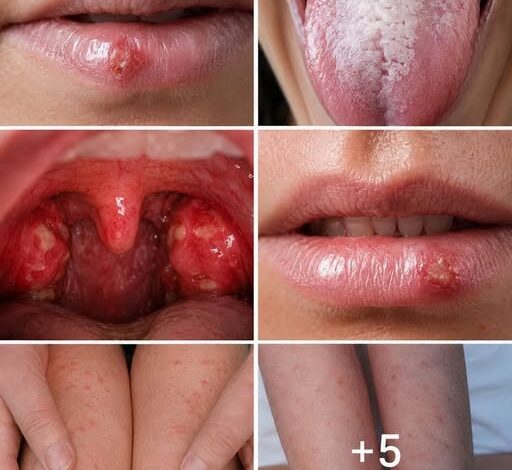
Most people panic the moment they notice it.
A painful bump.
Persistent itching.
Redness that wasn’t there before.
Suddenly, an area of the body that rarely gets much attention becomes impossible to ignore.
For many people, the first reaction is embarrassment.
The second is worry.
Questions start racing through the mind.
Is it serious?
Is it an infection?
Did I do something wrong?
The truth is far less alarming than most people assume.
Skin irritation in the groin area is incredibly common, affecting people of all ages and backgrounds. Despite the discomfort it can cause, it usually has nothing to do with poor hygiene or a lack of cleanliness.
In fact, the very conditions that make this part of the body function normally can also make it especially vulnerable to irritation.
The groin is naturally warm.
It stays covered by clothing for most of the day.
It experiences constant movement, pressure, and friction.
Add sweat and moisture to the equation, and you’ve created an environment where even minor skin issues can quickly become noticeable.
Because the skin in this area is particularly sensitive, small changes can trigger surprisingly uncomfortable symptoms.
A different grooming routine.
A new pair of tight-fitting clothes.
A workout that causes extra sweating.
Even a long day spent sitting or walking can sometimes lead to irritation.
One of the most common culprits behind these symptoms is something many people have experienced but few enjoy talking about: ingrown hairs.
They often appear after shaving, waxing, plucking, or other forms of hair removal.
At first, everything seems normal.
The hair is removed.
The skin appears smooth.
But as new hair begins growing back, problems can develop.
Instead of emerging cleanly through the skin’s surface, the growing hair may curl sideways or bend back into the skin itself.
When this happens, the body often treats the trapped hair as a foreign object.
The immune system responds.
Inflammation develops.
And soon a small bump appears.
The result can range from mild irritation to significant discomfort.
Some people notice redness.
Others experience itching.
Tenderness is common.
Sometimes the bump becomes painful to the touch.
In certain cases, bacteria can enter the irritated area, creating a more noticeable infection.
When that occurs, the bump may become swollen, warm, increasingly sensitive, or filled with pus.
While these symptoms can be alarming, they are often the result of the body’s natural inflammatory response rather than anything dangerous.
Still, understanding why ingrown hairs occur can help reduce the chances of dealing with them repeatedly.
Hair texture plays an important role.
People with naturally curly, coarse, or thick hair are often more susceptible because the hair naturally curves as it grows.
Instead of pushing outward, it can easily bend back toward the skin.
But hair type is only part of the story.
Clothing choices can also contribute.
Tight underwear, athletic wear, leggings, compression garments, and restrictive clothing can trap heat and moisture against the skin.
At the same time, they increase friction.
Every step, workout, or movement creates rubbing that may irritate already sensitive skin.
Sweat can make the situation worse.
Moisture softens the skin and creates an environment where irritation develops more easily.
For someone already prone to ingrown hairs, these factors can combine to create a frustrating cycle of recurring bumps and discomfort.
The encouraging news is that prevention often involves simple, practical habits.
One of the most effective strategies is reducing friction.
Loose-fitting, breathable fabrics allow air to circulate more freely and help keep the area cooler and drier.
Natural fibers and moisture-wicking materials can also reduce prolonged exposure to sweat.
Gentle exfoliation may help as well.
Over time, dead skin cells can accumulate on the surface of the skin, making it harder for new hairs to grow outward properly.
Careful exfoliation can remove some of that buildup and create a clearer path for hair growth.
The key word is gentle.
Aggressive scrubbing can create additional irritation and worsen the very problem you’re trying to solve.
For those who shave regularly, technique matters.
Using clean razors.
Shaving in the direction of hair growth.
Avoiding repeated passes over the same area.
Giving the skin time to recover between grooming sessions.
These small adjustments can significantly reduce irritation and lower the likelihood of ingrown hairs developing.
One mistake many people make, however, is trying to “fix” bumps themselves.
A painful bump can be tempting to squeeze.
A swollen area may seem like it needs draining.
But picking, squeezing, scratching, or digging at irritated skin often creates bigger problems.
What begins as a minor irritation can become an infection.
Bacteria can be pushed deeper beneath the skin.
Inflammation can worsen.
Scarring may develop.
In many cases, leaving the area alone is far more effective than trying to force a quick solution.
Warm compresses can be particularly helpful.
Applying gentle warmth may soothe discomfort, improve circulation, and encourage mild inflammation to settle naturally.
Patience is often one of the most effective treatments.
That said, there are situations where medical attention becomes important.
Most minor irritations improve with time and proper care.
But certain warning signs should never be ignored.
If pain becomes significantly worse.
If swelling spreads.
If the skin becomes increasingly hot or red.
If pus continues to increase.
If red streaks appear.
Or if fever develops alongside the skin symptoms.
These changes may indicate an infection requiring professional evaluation.
Seeking medical help in these situations is not overreacting.
It is simply taking care of your health.
Unfortunately, embarrassment sometimes prevents people from asking for assistance when they need it.
But healthcare professionals deal with these concerns every day.
There is no shame in addressing discomfort, pain, or changes in your body.
In fact, seeking help early often prevents more serious complications later.
Ultimately, skin irritation in the groin is a reminder that the human body is influenced by countless small factors working together.
Heat.
Moisture.
Friction.
Hair growth.
Skin sensitivity.
Daily habits.
Most flare-ups are not signs of poor hygiene or personal failure.
They are simply the result of normal biological processes interacting with everyday life.
Understanding that reality can replace anxiety with confidence.
And confidence makes it much easier to respond calmly and effectively when irritation appears.
Because in the end, protecting your health isn’t about avoiding every problem.
It’s about recognizing what’s happening, caring for yourself appropriately, and knowing when to seek help if something doesn’t feel right.
And there is absolutely nothing embarrassing about that.