The room felt smaller than it should have.
Not physically — the ballroom had been designed for national conventions and victory parties, with towering ceilings, polished marble floors, and rows of carefully arranged chairs stretching toward the back wall beneath glaring television lights. But grief alters space. Tension compresses air. And by the time Senator Daniel Mercer stepped onto the stage that evening, the room already carried the emotional density of something ending.
Outside, rain slid down the windows of the Washington hotel in silver streaks while satellite trucks lined the curb below like silent machinery waiting to document collapse.
Every major network was there.
Political reporters filled the front rows clutching annotated briefing packets. Strategists whispered predictions to producers. Camera operators adjusted focus repeatedly while glancing toward the side entrance, waiting for movement.
For three days, rumors had consumed the capital.
A possible resignation.
A scandal not yet public.
A health issue.
A family crisis.
A presidential challenge abandoned before announcement.
Nobody seemed certain.
But everyone understood instinctively that this press conference mattered.
The invitations alone had unsettled people:
personal statement from Senator Daniel Mercer regarding the future of his public service.
Not campaign-related.
Not policy-related.
Personal.
That single word changed the atmosphere entirely.
Then finally, at 7:04 p.m., the side door opened.
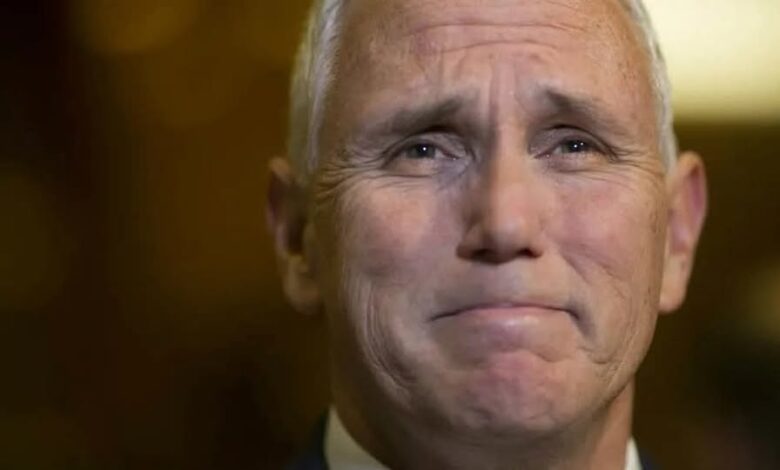
And Daniel Mercer walked in looking older than anyone remembered.
Not dramatically older.
Not physically diminished in some obvious cinematic way.
Just…
worn down around the soul.
People who spend years in politics learn how to wear endurance publicly. They straighten posture instinctively. They smile through exhaustion. They master the art of appearing energetic long after their spirit begins running on fumes.
Tonight, however, something in Mercer’s face had stopped performing.
The room noticed immediately.
He crossed the stage slowly carrying a thin folder but no visible confidence. His tie sat slightly crooked beneath the collar — a detail so small most viewers at home would never consciously register it, yet every reporter in the room felt its significance instantly.
Daniel Mercer never appeared disheveled.
For twenty-two years, he had built a reputation around discipline:
disciplined messaging,
disciplined schedules,
disciplined emotion.
Even his critics respected his composure.
Especially during war.
Mercer rose to national prominence during one of the ugliest political eras in modern memory. He survived ethics investigations later proven politically motivated. He endured death threats after immigration reform debates. Protesters surrounded his home for weeks after a controversial military funding vote. Cable news hosts built entire careers turning him into either villain or savior depending on the audience.
And through all of it, he remained controlled.
Until now.
He stood behind the podium longer than expected before speaking.
At first, some reporters assumed there was a technical problem.
Then they realized:
he simply could not begin.
The silence stretched.
Not awkward exactly.
Human.
Mercer looked down briefly at his hands gripping the podium edges. His knuckles had gone pale beneath the lights.
Somewhere near the back of the room, a camera shutter clicked loudly.
Finally, he exhaled.
“I spent most of my adult life believing sacrifice was the price of service.”
His voice sounded rougher than normal immediately.
No applause followed.
No reaction at all.
The room understood instinctively this was not campaign theater.
This was confession.
“I told myself,” he continued slowly, “that missing birthdays was temporary. That canceled vacations would make sense later. That my children would eventually understand why I kept choosing flights, meetings, hearings, and elections over being home.”
He paused.
The teleprompter glowed untouched beside him.
And suddenly everyone realized:
he wasn’t reading.
“I kept believing there would be a point where the work slowed down enough for me to return fully to the people I loved.”
A faint tremor entered his voice.
“But power is hungry.”
The sentence landed heavily.
Not dramatic.
Not partisan.
Just tired.
“Public life teaches you to justify absence in very sophisticated ways,” Mercer said quietly. “You start calling neglect duty. You start calling emotional distance discipline. You convince yourself that because the work matters, the people waiting for you at home will continue waiting forever.”
Somewhere in the front row, a reporter lowered her pen slowly.
Because suddenly this no longer sounded like retirement.
It sounded like mourning.
Mercer looked toward the crowd briefly then away again almost immediately.
For years, political opponents accused him of coldness. Detached. Calculating. Too controlled to be trustworthy emotionally.
Tonight that armor appeared gone completely.
“My youngest daughter asked me something six months ago,” he continued. “She asked why every stranger in the airport seemed to recognize me… but she barely did.”
A visible ripple moved through the room.
Mercer swallowed hard.
“I did not have an answer that made me proud.”
Outside the ballroom, thunder rolled faintly across the city.
Inside, nobody moved.
Even the cameras seemed quieter somehow.
He opened the folder finally, though only to remove a folded photograph.
Not notes.
Not policy statements.
A photograph.
“My father spent thirty years in factory work,” he said softly while looking at it. “He used to tell me that a man can survive almost any hardship except becoming a stranger inside his own home.”
The words nearly broke him.
For one terrifying second, it looked like he might stop speaking entirely.
Then he steadied himself against the podium.
“I thought ambition and love could coexist endlessly without consequence,” he admitted. “I was wrong.”
Across social media, clips from the speech had already begun spreading by then. Political analysts scrambled trying to interpret what they were witnessing because modern politics rarely allows visible vulnerability without suspicion attached to it.
Some commentators immediately speculated strategy:
rebranding,
sympathy positioning,
future media career preparation.
But inside the room, none of it felt strategic.
Strategic speeches are polished.
This was fractured.
Mercer continued anyway.
“There is a cost to constantly living in battle mode,” he said. “Not just politically. Spiritually.”
That word startled people.
Spiritually.
The senator had never spoken publicly in those terms before.
“You begin dividing the world into enemies and allies so completely that eventually you forget how to exist peacefully inside your own mind.” His eyes drifted briefly toward the ceiling lights. “You stop sleeping deeply. You stop trusting easily. You stop recognizing the version of yourself that existed before every conversation became negotiation.”
A long silence followed.
Then quietly:
“And eventually, if you are not careful, you become more fluent in conflict than in love.”
The sentence seemed to hollow out the room itself.
Because everyone present understood instinctively he was no longer speaking only about politics.
He was speaking about damage.
The invisible erosion public life inflicts slowly enough that people notice too late.
For years, Daniel Mercer had been described as relentless. Tireless. Ruthlessly effective.
Now he looked like a man realizing effectiveness and wholeness are not the same thing.
“I cannot recover the years I missed,” he said. “I cannot give my wife back the nights she sat alone while I chased one more campaign, one more hearing, one more impossible compromise pretending it would finally be enough.”
His voice cracked openly then.
No performance.
No concealment.
Real grief.
“I missed my son’s first college acceptance speech because I was arguing on television about budget negotiations,” he whispered. “I buried friendships beneath ambition. I answered staff messages faster than family messages. And somewhere along the way…”
He stopped speaking entirely.
The room waited.
Mercer looked down at the photograph again before finishing softly:
“…I forgot that being needed by millions of strangers does not replace being present for the few people who actually love you.”
A woman near the back wiped tears quickly while pretending to adjust her glasses.
Nobody mocked him.
Not even reporters known for brutality.
Because authenticity creates a strange kind of silence people instinctively protect when they encounter it unexpectedly.
Mercer folded the photograph carefully.
Then finally delivered the sentence everyone had anticipated but somehow still felt unprepared to hear.
“I will not seek reelection.”
No gasps.
No frenzy.
Only stillness.
Because the decision itself mattered less now than the pain underneath it.
“I am stepping away from public office at the end of this term,” he continued. “Not because I no longer care about this country. But because I finally understand that devotion to service means very little if it destroys your ability to remain human while performing it.”
The teleprompter kept scrolling uselessly beside him.
Prepared lines abandoned.
Aides standing frozen along the walls.
One reporter would later describe the atmosphere perfectly:
It felt less like a political announcement and more like someone setting down armor after carrying it too long.
Mercer thanked his staff next.
Then constituents.
Then colleagues from both parties.
But when he reached his family, his composure finally collapsed completely.
“To my wife Claire…” His breath caught sharply. “You deserved a husband, not a permanent campaign season.”
He pressed fingers briefly against his eyes.
“And to my children… thank you for loving a man you mostly had to share with the country.”
The rawness of that line moved through the ballroom like weather.
Because behind every public figure exists an invisible private cost rarely acknowledged honestly:
someone waiting through absences,
someone adjusting birthdays,
someone learning how to celebrate accomplishments alone.
Mercer finally stepped away from the podium after nearly forty minutes.
No applause followed.
Not because people disagreed.
Because clapping would have shattered something sacred about the silence.
And silence, in that moment, felt more respectful than noise.
He gathered the photograph.
Closed the folder.
Turned away from the cameras slowly.
The strange thing was how ordinary he suddenly looked walking offstage.
Smaller somehow.
Not diminished.
Freed.
The shoulders that carried decades of political combat no longer held themselves rigidly upright for performance. They lowered naturally for the first time all evening.
Not defeat.
Release.
As the side door closed behind him, reporters remained seated longer than expected. Nobody rushed immediately toward microphones. Even producers spoke in hushed voices.
Because beneath all the strategy analysis that would flood television later, everyone present understood they had witnessed something increasingly rare in modern public life:
not scandal,
not spin,
not reinvention.
Just a man finally admitting that power had cost more than he was willing to keep paying.
Hours later, clips from the speech would divide the internet predictably.
Some praised his honesty.
Others called it weakness.
Opponents framed it as political theater.
Supporters treated it like courage.
But none of those reactions fully captured what happened inside that ballroom.
Because the most important part of the speech was not the resignation itself.
It was the realization underneath it:
that ambition can slowly consume a life so completely that stepping away begins to feel less like surrender and more like survival.
Late that night, after cameras packed away and headlines spread across every network, a janitor cleaning the empty ballroom found something forgotten beneath the podium.
A folded sheet of speech notes.
Most of the prepared text remained untouched.
Only one handwritten sentence had been underlined heavily across the top margin:
If I keep winning this way, I will lose everything that taught me why winning mattered in the first place.