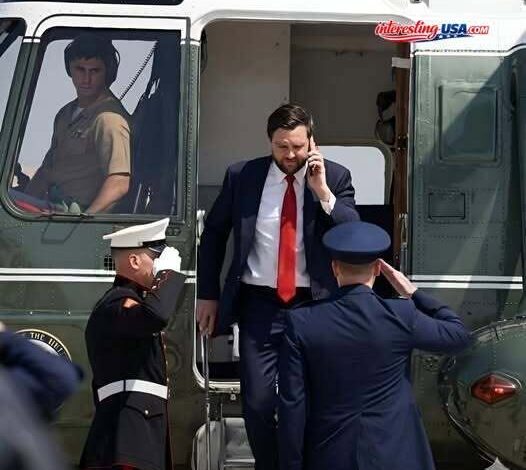
What’s happening behind closed doors is not political theater but the difficult, often invisible work of crisis management. Vance’s abrupt shift in tone appears aimed as much at insiders as at the public, signaling that Washington wants a firmer grip on events before tensions escalate into something more dangerous, more expensive, and far harder to control. The lack of detail is not accidental. In moments like these, ambiguity can serve as protection for delicate negotiations that might collapse under the pressure of public scrutiny and instant reaction.
Across foreign ministries, embassies, and situation rooms from Brussels to Riyadh, leaders are engaged in the same balancing act: easing tensions without appearing weak, calming markets without making promises they may not be able to keep, and creating space for diplomacy without losing valuable time. There may be no dramatic breakthrough, no historic photograph, and no clear declaration of victory. Yet the steady stream of phone calls, confidential meetings, and late-night negotiations suggests a shared objective.
The hope is simple but increasingly fragile: that patient diplomacy, conducted largely out of public view, can move faster than the forces driving confrontation. Success may never generate headlines, but failure almost certainly will. And so, while the public sees only fragments of the story, much of the real work is unfolding quietly behind the scenes, where preventing a crisis often matters more than claiming credit for solving one.