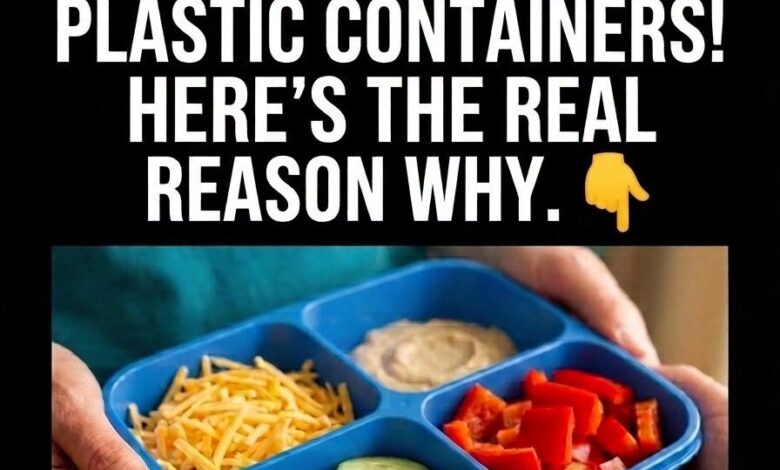
Every day, millions of parents pack lunches, warm leftovers, and pour drinks into plastic containers without giving it a second thought. But pediatric experts say one of the biggest concerns isn’t the plastic itself—it’s what can happen when that plastic is exposed to heat, repeated use, and everyday wear.
According to guidance from the American Academy of Pediatrics (AAP), certain chemicals used in food packaging and plastic products, including bisphenols such as BPA (bisphenol A) and some of its replacements, can migrate into food and beverages under certain conditions. While the amount released varies depending on the type of plastic and how it’s used, children may be especially vulnerable because their bodies are still developing and they consume more food and water relative to their body weight than adults.
Scientists have spent years studying these chemicals because some bisphenols can act as endocrine disruptors, meaning they may interfere with the body’s natural hormones. Hormones regulate everything from growth and metabolism to reproduction and brain development, so even small disruptions during critical stages of childhood have raised concern among researchers.
Although scientists continue to investigate the full extent of these effects, studies have linked exposure to endocrine-disrupting chemicals with potential changes in the timing of puberty, reproductive development, fertility, brain development, behavior, metabolism, and aspects of immune function. Researchers are still working to determine exactly how different levels of exposure affect long-term health, but many pediatricians agree that reducing unnecessary exposure—especially for children—is a sensible precaution.
The encouraging news is that lowering your family’s exposure doesn’t require a complete overhaul of your kitchen or expensive specialty products.
In fact, some of the most effective changes are also the simplest.
One of the AAP’s key recommendations is to avoid heating food in plastic containers. Microwaving food in certain plastics, especially older or worn containers, may increase the migration of chemicals into food. Instead, transfer meals to glass or ceramic dishes before reheating whenever possible.
Another smart habit is to avoid placing plastic containers in the dishwasher. High temperatures, harsh detergents, and repeated washing can gradually wear down plastic surfaces, increasing scratches and breakdown over time. Washing reusable plastic containers by hand with mild soap can help extend their life, but replacing heavily scratched or damaged containers is also a good idea.
For everyday food storage, many experts recommend choosing glass or stainless steel whenever practical. These materials are durable, easy to clean, and do not contain bisphenols used in many plastic products. Glass containers work especially well for leftovers, meal preparation, and microwave reheating, while stainless steel is an excellent option for water bottles and lunch containers.
Parents should also remember that “BPA-free” doesn’t always mean chemical-free. Some manufacturers have replaced BPA with closely related compounds, such as BPS or BPF, which researchers are continuing to study because they may have similar hormone-disrupting properties. While these alternatives may reduce exposure to BPA itself, scientists are still evaluating whether they offer meaningful safety advantages.
That doesn’t mean every plastic container in your home needs to be thrown away.
Most health experts emphasize that occasional use is unlikely to pose a significant risk for most families. Instead, the focus is on reducing repeated, unnecessary exposure over many years—particularly during pregnancy, infancy, and childhood, when developing bodies may be more sensitive to environmental chemicals.
Simple habits can make a meaningful difference:
- Transfer food to glass or ceramic before microwaving.
- Avoid putting plastic food containers in the dishwasher when possible.
- Replace cracked, warped, or heavily scratched plastic containers.
- Choose glass or stainless steel for long-term food storage and reusable drink bottles.
- Limit highly processed or heavily packaged foods when practical, since food packaging can also be a source of chemical exposure.
These are small adjustments, but their impact can accumulate over time.
Parents often feel overwhelmed by health advice, wondering if every household product has become something to worry about. The goal isn’t to create fear or pursue perfection. Instead, it’s about understanding where avoidable risks exist and making practical choices that fit everyday life.
You don’t have to eliminate plastic from your home overnight, and you certainly don’t need to panic every time your child uses a plastic cup. Rather, the most effective approach is to make gradual, informed changes where they matter most.
By choosing safer materials for food storage, avoiding unnecessary heat exposure, and replacing worn plastic containers as they age, families can quietly reduce their children’s exposure to chemicals that continue to be studied for their potential health effects.
Sometimes, protecting your family’s health doesn’t require dramatic changes—it simply starts with the everyday decisions made in your own kitchen. Over months and years, those small choices can add up, helping create a healthier environment for the people you love most.