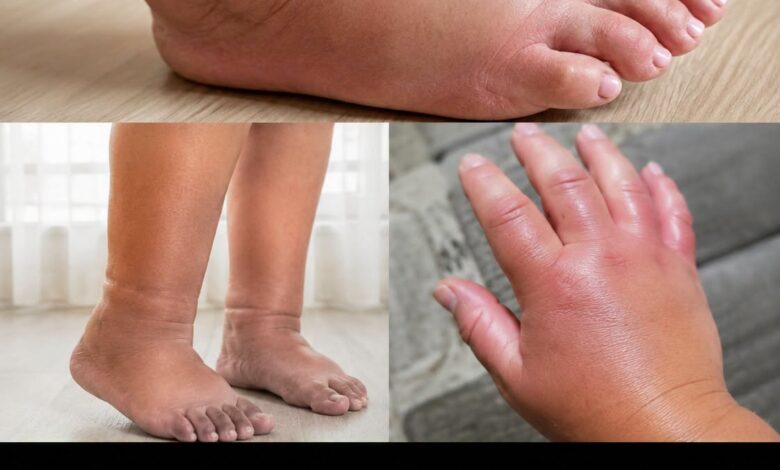
Swollen hands or feet can be frustrating, uncomfortable, and sometimes even alarming. One day your rings feel too tight, your shoes seem to shrink, or your ankles leave deep marks from your socks. While occasional swelling is often linked to everyday factors like hot weather, standing or sitting for long periods, or eating a salty meal, it can also be your body’s gentle reminder that it needs a little more care.
In many cases, small lifestyle and dietary changes can help reduce mild fluid retention.
However, it’s important to remember that swelling—also known as edema—is a symptom, not a disease. Sometimes it’s harmless and temporary. Other times, it may signal an underlying medical condition that requires professional evaluation. Learning the difference can help you respond wisely instead of reacting with unnecessary fear.
One of the simplest places to start is with your diet.
Potassium-rich foods play an important role in maintaining healthy fluid balance. Potassium helps your body regulate sodium levels, and when sodium becomes excessive, it can encourage the body to retain extra water. By including potassium-rich foods such as bananas, spinach, Swiss chard, sweet potatoes, avocados, and other leafy green vegetables in a balanced diet, you can support your body’s natural ability to manage fluid levels.
Hydration is equally important.
It may seem counterintuitive, but drinking enough water can actually help reduce mild water retention. When the body becomes dehydrated, it may hold onto fluid as a protective response. Foods with naturally high water content—such as cucumbers, watermelon, strawberries, celery, lettuce, and oranges—can contribute to hydration while providing valuable vitamins and minerals. Although they are sometimes described as having mild natural diuretic properties, their greatest benefit comes from supporting overall hydration rather than acting like medications.
Inflammation can also contribute to feelings of puffiness and discomfort.
That’s where antioxidant-rich fruits and anti-inflammatory ingredients may help as part of an overall healthy eating pattern. Berries provide vitamins, fiber, and plant compounds that support overall health, while pineapple contains bromelain, an enzyme that has been studied for its potential anti-inflammatory effects. Ginger and turmeric have also been researched for their ability to support the body’s natural inflammatory responses, though more research is still ongoing in many areas.
Another group of foods worth including is nuts and seeds.
Almonds, walnuts, pumpkin seeds, sunflower seeds, and chia seeds provide magnesium, healthy fats, fiber, and other nutrients that support muscle function, circulation, and overall cardiovascular health. Magnesium, in particular, plays a role in fluid regulation and muscle relaxation, making it an important part of a balanced diet.
Celery is another vegetable often associated with healthy fluid balance.
Rich in water, fiber, and several beneficial nutrients, it can be a refreshing addition to salads, soups, or snacks. While no single food can eliminate swelling on its own, incorporating a variety of nutrient-dense foods into your meals can support your body’s natural processes over time.
Of course, nutrition is only one piece of the equation.
Simple daily habits can also make a noticeable difference.
Regular movement encourages healthy circulation and helps prevent fluid from pooling in the lower legs and feet. If you spend long hours sitting at a desk or traveling, standing up to stretch or take a short walk every hour can be beneficial. Elevating your legs when resting may also help reduce mild swelling caused by prolonged standing or sitting.
Limiting excessive sodium intake is another practical step.
Highly processed foods, fast food, canned soups, packaged snacks, and processed meats are often significant sources of sodium. Preparing more meals at home using fresh ingredients allows you greater control over salt intake while naturally increasing your consumption of fruits, vegetables, and whole foods.
Despite these strategies, it’s essential to recognize when swelling deserves prompt medical attention.
Persistent swelling that does not improve, swelling that appears suddenly without an obvious cause, or swelling accompanied by pain should never be dismissed. Likewise, swelling that occurs alongside shortness of breath, chest pain, severe fatigue, dizziness, or one-sided leg pain and redness may indicate a serious medical condition requiring immediate evaluation.
Swelling can sometimes be associated with heart disease, kidney disease, liver disease, certain medications, blood clots, infections, or problems with the lymphatic system. Only a qualified healthcare professional can determine the underlying cause through an appropriate medical assessment.
For that reason, it’s best to think of healthy eating as supportive care rather than a substitute for medical treatment.
No fruit, vegetable, herb, or supplement can replace a proper diagnosis when symptoms are persistent or severe.
The good news is that your body often provides subtle signals before larger problems develop.
Paying attention to those signals—whether it’s swelling after particularly salty meals, discomfort following long periods of inactivity, or recurring puffiness that seems to be worsening—can help you make thoughtful adjustments early. A balanced diet, regular physical activity, adequate hydration, and routine medical care all work together to support long-term health.
In the end, swollen hands and feet aren’t always a reason to panic, but they are always worth noticing.
Sometimes they simply reflect a busy day, warm weather, or temporary fluid retention.
Other times, they’re your body’s way of asking for healthier habits—or, in some cases, for medical attention.
Listen carefully to what your body is telling you. Nourish it with wholesome foods, stay active, drink enough water, and don’t ignore swelling that becomes persistent, severe, or is accompanied by other concerning symptoms. Knowing when to make small lifestyle changes—and when to seek professional care—is one of the most important steps you can take toward protecting your health.