Many people are shocked to learn that bacon and hot dogs share the same cancer classification as tobacco. The explanation is more nuanced than the headline suggests

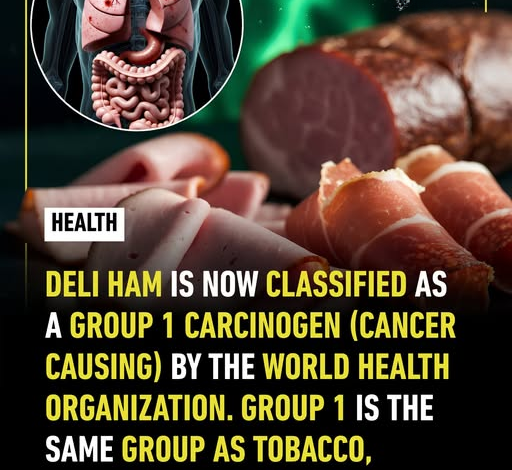
For many families, processed meats are a familiar part of everyday meals. Bacon sizzles on breakfast plates, deli ham fills lunchtime sandwiches, sausages appear at weekend barbecues, and hot dogs remain a favorite at sporting events and summer gatherings. Because these foods have been enjoyed for generations, many people are surprised when they hear that the World Health Organization (WHO) has placed processed meats in the same carcinogen category as tobacco, asbestos, and arsenic.
At first glance, that comparison sounds alarming. It has led countless people to wonder whether eating a sandwich with deli meat is somehow as dangerous as smoking cigarettes. The reality, however, is much more complex. Understanding what this classification actually means is essential for making informed choices without unnecessary fear.
The World Health Organization’s International Agency for Research on Cancer (IARC) classifies processed meats as Group 1 carcinogens. This designation is based on strong scientific evidence that regular consumption of processed meats increases the risk of colorectal cancer. Importantly, the classification reflects the strength of the evidence—not the size of the risk itself.
This is one of the most misunderstood aspects of the announcement.
Group 1 simply means there is convincing evidence that the substance can cause cancer under certain circumstances. It does not mean that every Group 1 carcinogen carries the same level of danger. Tobacco smoking, asbestos exposure, excessive alcohol consumption, and processed meats all fall into the same evidence category because the scientific evidence linking them to cancer is considered strong. However, the magnitude of the risk differs dramatically between them.
For example, smoking cigarettes increases the risk of multiple cancers by a much larger amount than eating processed meat. Comparing the two based only on their classification would be misleading. The category answers the question, “Can it cause cancer?” rather than, “How much risk does it create?”
So what exactly counts as processed meat?
Processed meats are meats that have been preserved or flavored through methods such as curing, smoking, salting, fermenting, or the addition of chemical preservatives. Common examples include bacon, ham, sausages, hot dogs, salami, pepperoni, deli meats, and many packaged luncheon meats.
These processing methods help improve flavor, texture, and shelf life, but they can also produce compounds that researchers believe contribute to increased cancer risk when consumed regularly over long periods.
Scientists have proposed several possible explanations. Certain preservation techniques can lead to the formation of chemicals known as N-nitroso compounds, while high-temperature cooking methods such as frying or grilling processed meats may produce additional compounds that have been associated with cancer development in laboratory studies. Researchers continue investigating these biological mechanisms, but the overall body of evidence has consistently shown a link between frequent processed meat consumption and a higher risk of colorectal cancer.
The key word, however, is regular.
Most studies examine people who consume processed meats frequently over many years rather than individuals who enjoy them only occasionally. Risk tends to increase gradually with higher and more consistent intake, not from eating a single hot dog at a family cookout or enjoying bacon during a weekend breakfast.
This is why most nutrition experts do not recommend complete elimination for everyone.
Instead, they emphasize moderation.
Limiting processed meat intake while choosing healthier alternatives more often allows people to reduce long-term risk without feeling they must completely avoid foods they enjoy. Replacing some processed meats with fresh poultry, fish, beans, lentils, eggs, or minimally processed lean meats can significantly improve the overall quality of a person’s diet.
When processed meats are eaten, selecting products made with fewer additives and lower sodium content may also be beneficial, although moderation remains the most important factor.
Equally important is considering the overall dietary pattern rather than focusing on one food alone.
Research consistently shows that diets rich in vegetables, fruits, whole grains, legumes, nuts, seeds, and other fiber-rich foods are associated with better long-term health. Dietary fiber supports healthy digestion, nourishes beneficial gut bacteria, and has been linked to a lower risk of colorectal cancer. Antioxidants and other naturally occurring plant compounds found in fruits and vegetables also help protect cells from oxidative stress and support normal immune function.
Physical activity, maintaining a healthy weight, avoiding smoking, limiting excessive alcohol consumption, and participating in recommended cancer screening programs all play major roles in reducing cancer risk as well.
No single food determines a person’s future health.
A healthy lifestyle is built through the accumulation of everyday habits over many years. Someone who occasionally enjoys processed meat while eating a balanced diet rich in whole foods and maintaining healthy lifestyle habits is in a very different position than someone whose diet relies heavily on processed foods while neglecting other aspects of health.
It’s also worth remembering that nutrition science aims to inform—not frighten. Headlines often focus on dramatic comparisons because they capture attention, but they rarely explain the important context behind scientific classifications. Understanding the difference between evidence of risk and the size of that risk allows people to make practical decisions rather than reacting out of fear.
The World Health Organization’s classification serves as a reminder to be mindful of how often processed meats appear in our diets, not necessarily to eliminate them forever. Enjoying these foods occasionally while emphasizing vegetables, fruits, whole grains, legumes, lean proteins, and other minimally processed foods is an approach supported by many health professionals.
In the end, the message is surprisingly balanced. Processed meats have been convincingly linked to an increased risk of colorectal cancer when consumed regularly over time, but that doesn’t mean every serving is cause for panic. Moderation, variety, and an overall healthy eating pattern remain the most effective strategies for protecting long-term health. Sometimes, the healthiest choice isn’t giving up a favorite food completely—it’s learning how to enjoy it wisely as part of a balanced lifestyle.