Many people worry when the veins on their hands become more noticeable. The truth is, they often reveal something very different from what most people assume

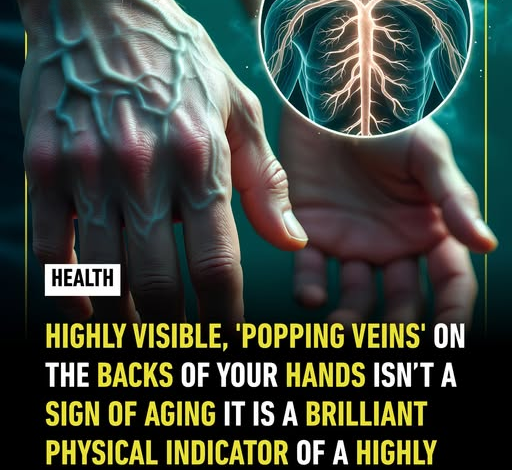
It’s a question that surprises many people the first time they notice it. One day, while washing their hands or reaching for something, they catch a glimpse of prominent blue or green veins running across the backs of their hands. Almost immediately, concerns begin to surface. Is this a sign of aging? Could it indicate poor circulation? Is something wrong with my health?
Visible hand veins are often misunderstood, and countless myths continue to circulate online about what they supposedly mean. Some people believe they are a warning sign of disease, while others claim they indicate an exceptionally efficient cooling system or unusually high athletic ability. Modern medical knowledge tells a much more balanced story.
In most cases, highly visible veins on the backs of the hands are completely normal and are often influenced by several harmless factors, including body composition, skin thickness, genetics, and circulation. For many healthy individuals, prominent hand veins are simply a natural variation rather than a cause for concern.
To understand why veins become visible, it helps to know a little about how the body’s circulatory system works.
Veins are responsible for carrying blood back to the heart after oxygen has been delivered to tissues throughout the body. Unlike arteries, which carry blood away from the heart under higher pressure, veins operate under lower pressure and rely on muscle movement and tiny one-way valves to help move blood upward through the body.
Everyone has veins beneath the skin, but whether they can be seen depends largely on what lies between the veins and the surface.
One of the biggest factors is body fat.
A thin layer of fat naturally sits beneath the skin and can partially conceal the veins underneath. People with lower body fat percentages have less tissue covering these veins, making them much easier to see. This is one reason athletes, bodybuilders, runners, cyclists, and other physically fit individuals often have noticeably prominent veins on their hands, arms, and even other parts of the body.
Rather than indicating poor health, visible veins in these cases often reflect a lean body composition.
Skin thickness also plays an important role.
Some individuals naturally have thinner skin due to genetics, allowing underlying blood vessels to become more visible. As people age, the skin gradually loses collagen and elasticity, becoming thinner over time. This age-related change can make veins more noticeable, but aging is only one possible explanation. Many young adults with naturally thin skin also have clearly visible hand veins despite being in excellent health.
Genetics may be one of the strongest influences of all.
Some families simply inherit more visible veins than others. Two people with nearly identical body fat levels and lifestyles can have completely different vein visibility simply because of differences in skin structure and inherited vascular anatomy.
Good circulation can contribute as well.
When blood flows efficiently through healthy blood vessels, veins may appear slightly fuller and more noticeable, particularly after exercise, exposure to warm temperatures, or physical activity. During exercise, muscles require additional oxygen and nutrients, causing blood flow to increase. At the same time, blood vessels naturally widen to improve circulation, making veins temporarily more prominent.
Warm weather can produce a similar effect.
As body temperature rises, blood vessels near the skin expand through a process called vasodilation. This helps the body release excess heat by bringing warm blood closer to the surface, where heat can escape more easily into the surrounding air. During these moments, veins may appear larger and more visible than usual.
Some people mistakenly interpret this to mean highly visible veins indicate an unusually powerful cooling system.
In reality, while veins do participate in normal temperature regulation, prominent hand veins are not considered evidence that someone’s body cools itself more efficiently than others. They simply reflect the normal anatomy of blood vessels that happen to be easier to see because of factors like body composition, skin thickness, genetics, or temporary changes in blood flow.
Hydration can also influence how veins appear.
Mild dehydration may temporarily make veins more noticeable in some individuals due to changes in blood volume and surrounding tissues, while proper hydration generally supports healthy circulation and overall vascular function.
For the vast majority of people, visible hand veins require no treatment whatsoever. They are simply part of normal human variation and are often seen in healthy, active individuals.
However, sudden changes deserve more attention.
If veins become dramatically more prominent over a short period without an obvious explanation such as weight loss, increased exercise, or warmer temperatures, it may be worth discussing the change with a healthcare provider. The same is true if prominent veins are accompanied by pain, swelling, redness, warmth, skin discoloration, numbness, or other unusual symptoms, as these could indicate an underlying condition requiring medical evaluation.
Fortunately, such situations are relatively uncommon.
Maintaining healthy blood vessels involves many of the same habits that support overall wellness. Regular physical activity helps promote healthy circulation, while eating a balanced diet rich in fruits, vegetables, whole grains, lean proteins, and healthy fats supports cardiovascular health. Staying well hydrated, avoiding smoking, managing blood pressure, and maintaining a healthy body weight all contribute to keeping the circulatory system functioning efficiently.
The next time you notice the veins on the backs of your hands, there’s usually no reason for alarm. In many cases, they simply reflect a combination of genetics, lower body fat, thinner skin, healthy circulation, or physical fitness. While they may become more noticeable with age or after exercise, visible veins are typically a normal part of human anatomy rather than a warning sign of illness.
Understanding what causes these changes can replace unnecessary worry with reassurance. Most of the time, prominent hand veins are simply another reminder that every body is unique—and in many healthy individuals, they can even be a subtle sign of good vascular health and an active lifestyle.