Living a long life sounds like a blessing.
But without purpose, even extra years can begin to feel heavy.
For many older adults, the difference between merely existing and truly living often comes down to one simple question:
Why get up today?
The answer does not have to be dramatic.
It may be a small garden that needs watering.
A grandchild waiting for a phone call.
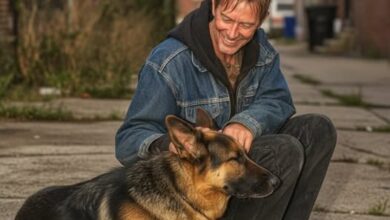
A dog expecting breakfast.
A church group counting on help.
A neighbor who needs checking on.
A favorite chair by the window where morning light arrives at the same time every day.
Purpose does not always announce itself loudly. Often, it appears in quiet routines that give structure to ordinary mornings. It pulls a person out of bed, into motion, and back into the rhythm of life.
Without that sense of meaning, days can start to blur together.
One morning feels like the next.
Energy fades.
The world feels smaller.
Even the body can seem to respond, as if it knows the person inside has stopped expecting much from tomorrow.
That is why purpose matters so deeply.
It gives the mind something to reach for.
It gives the heart a reason to stay open.
It reminds the body that life is still asking something of it.
But purpose alone is not enough.
Aging well requires daily choices that may look simple from the outside, yet carry enormous power over time.
The people who remain sharp, steady, and independent into their 80s and 90s often share a few quiet habits.
They stay connected.
They keep moving.
They nourish themselves with intention.
They do not allow loneliness, stiffness, or neglect to become the shape of their final decades.
Social connection is one of the strongest forms of protection.
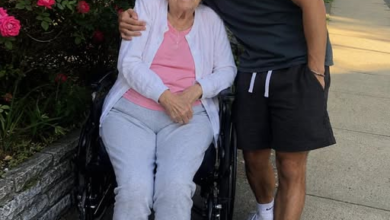
A real conversation can lift the spirit in ways medicine cannot always reach. A shared meal, a phone call, a visit from a friend, or even a few kind words exchanged during a walk can remind someone that they still belong to the world.
Movement matters just as much.
It does not have to mean intense exercise or long workouts. A short walk, light stretching, gentle housework, gardening, or climbing a few steps can help preserve strength, balance, and confidence.
The goal is not to move like a younger person.
The goal is to keep moving at all.
Food and water also become more important with age, not less.
A colorful plate with vegetables, fruit, protein, and healthy fats can support energy, muscle, memory, and healing. A glass of water before thirst appears can prevent weakness, confusion, and fatigue before they take hold.
These habits may seem small.
But small habits, repeated daily, become a kind of quiet medicine.
A walk around the block.
A bowl of soup with real nourishment.
A phone call instead of another silent afternoon.
A glass of water beside the bed.
A reason to get dressed.
A reason to step outside.
A reason to keep going.
None of these choices can stop time.
Nothing can.
But they can change how time feels.
They can turn later years from a slow fading into a softer, steadier kind of strength.
Aging well is not about pretending to be young.
It is about remaining engaged with life.
It is about protecting dignity, independence, and joy in whatever ways are still possible.
And often, the path is not complicated.
Find a reason to rise.
Stay close to people.
Move the body gently.
Feed it well.
Drink water before the body has to beg.
Do these things again tomorrow.
Because the final decades of life do not have to be defined only by loss.
With purpose, connection, movement, and care, they can still hold meaning.
They can still hold laughter.
They can still hold strength.
And most importantly, they can still hold life.