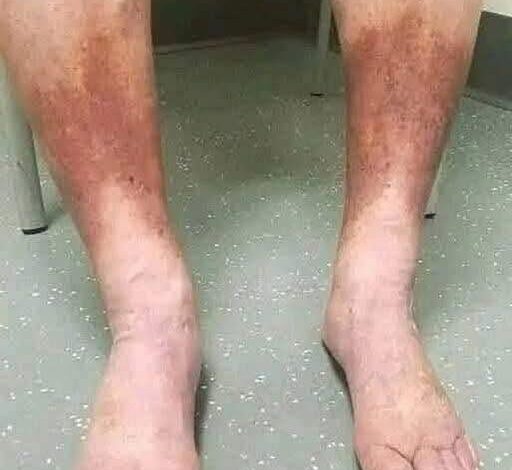
Most people notice swollen feet or ankles only when their shoes suddenly feel tighter than usual. They shrug it off as part of getting older, blame a long day at work, or assume the summer heat is to blame. In many cases, the swelling fades overnight, and life goes on without another thought.
But sometimes, your body is trying to tell you something much more important.
Swelling in the feet and ankles—known medically as peripheral edema—is not a condition itself. It is a symptom, a visible clue that fluid has accumulated in tissues where it shouldn’t. While that fluid may collect quietly, the reasons behind it can range from completely harmless to potentially serious.
Understanding the difference can make all the difference.
Gravity naturally pulls fluid downward throughout the day. If you’ve spent hours standing, sitting at a desk, or traveling on a long flight, it’s common for a small amount of fluid to settle in your lower legs. Hot weather can also cause blood vessels to widen, making it easier for fluid to leak into nearby tissues. In these situations, mild swelling often improves after resting, elevating your legs, or getting a good night’s sleep.
A minor injury can produce a similar effect.
Sprains, bruises, or muscle strains trigger inflammation as part of the body’s healing process. The resulting swelling protects damaged tissue while recovery takes place. Although uncomfortable, this type of swelling usually has an obvious cause and gradually improves as the injury heals.
However, swelling that appears frequently, becomes more severe, or develops without a clear explanation deserves closer attention.
One common contributor is excessive sodium.
Salt plays an essential role in regulating the body’s fluid balance, but consuming too much can cause the body to retain extra water. Processed foods, restaurant meals, canned soups, frozen dinners, and packaged snacks often contain surprisingly high amounts of sodium. Over time, that excess fluid may become noticeable in the feet, ankles, and lower legs, especially if combined with prolonged sitting or standing.
Circulation also plays a major role.
Healthy veins in the legs contain tiny valves that help move blood back toward the heart. As people age, those valves can become weaker or damaged, allowing blood to pool in the lower legs. This condition, known as chronic venous insufficiency, can lead to persistent swelling, aching, heaviness, skin discoloration, and visible varicose veins.
The heart itself may also be involved.
When the heart cannot pump blood as efficiently as it should, fluid may begin accumulating throughout the body, particularly in the legs and ankles. Swelling related to heart failure is often accompanied by symptoms such as shortness of breath, unusual fatigue, rapid weight gain, or difficulty lying flat because of breathing problems. These signs should never be ignored and require prompt medical evaluation.
The kidneys deserve equal attention.
These organs constantly filter excess fluid and waste products from the bloodstream. When kidney function declines, the body may struggle to remove enough fluid, allowing swelling to develop gradually. In some people, swollen ankles become one of the earliest visible signs that kidney function deserves medical assessment.
The liver can also influence fluid balance.
Advanced liver disease may reduce the production of proteins that help keep fluid inside blood vessels. As those protein levels fall, fluid can leak into surrounding tissues, leading to swelling in the legs and sometimes the abdomen.
Certain medications may also contribute.
Some blood pressure medications, steroids, hormone therapies, anti-inflammatory drugs, and medications used to treat diabetes can cause fluid retention in susceptible individuals. If swelling begins after starting a new prescription, it is important to discuss it with your healthcare provider rather than stopping the medication on your own.
While swelling in both legs often reflects fluid retention or circulation problems, swelling affecting only one leg deserves particular attention.
A sudden increase in size involving one leg, especially when accompanied by pain, warmth, redness, or tenderness, may indicate a deep vein thrombosis (DVT)—a blood clot located in a deep vein. Because part of the clot can travel to the lungs and become life-threatening, this situation requires immediate medical attention.
Other warning signs should also prompt urgent evaluation.
Seek medical care right away if swelling is accompanied by chest pain, sudden shortness of breath, coughing up blood, severe pain, high fever, or significant redness spreading rapidly through the skin. These symptoms may indicate a serious medical emergency that should not be treated at home.
For milder swelling without emergency symptoms, simple lifestyle measures often provide meaningful relief.
Elevating your feet above the level of your heart for short periods each day helps gravity move fluid back into circulation. Taking regular walking breaks, especially during long periods of sitting, encourages the calf muscles to pump blood more effectively through the veins. Gentle stretching and ankle movements during travel can also reduce fluid buildup.
Reducing sodium intake may lessen fluid retention for many people.
Preparing more meals at home, reading nutrition labels, choosing fresh foods over heavily processed options, and limiting salty snacks can all support healthier fluid balance.
Compression stockings may also help some individuals.
When properly fitted, they apply gentle pressure that improves circulation and reduces fluid accumulation in the lower legs. However, they are not appropriate for everyone, particularly people with certain circulation disorders, so consulting a healthcare professional before using them is advisable.
Maintaining a healthy body weight and staying physically active also benefit circulation, heart health, and overall fluid regulation.
Perhaps the most important step is paying attention to change.
Many people gradually become accustomed to symptoms that develop slowly over time, assuming they are simply part of aging. But new or worsening swelling deserves curiosity rather than dismissal. Your body rarely produces symptoms without a reason.
Think of swollen feet and ankles not as an inconvenience, but as valuable information.
Sometimes they reflect nothing more than a warm afternoon, a long drive, or a day spent on your feet. Other times, they serve as one of the earliest visible clues that your heart, kidneys, veins, or another part of your body needs attention.
Listening early can make a remarkable difference.
Small daily habits—moving more often, elevating your legs, reducing excess salt, staying hydrated, and following medical advice when needed—may improve both comfort and long-term health. Most importantly, don’t ignore swelling that is new, persistent, unexplained, or accompanied by other concerning symptoms.
Your feet often carry you through every stage of life.
When they begin sending signals that something has changed, they deserve more than a passing glance. Paying attention today may help uncover a problem while it is still manageable—and that simple decision could have a lasting impact on your future health.