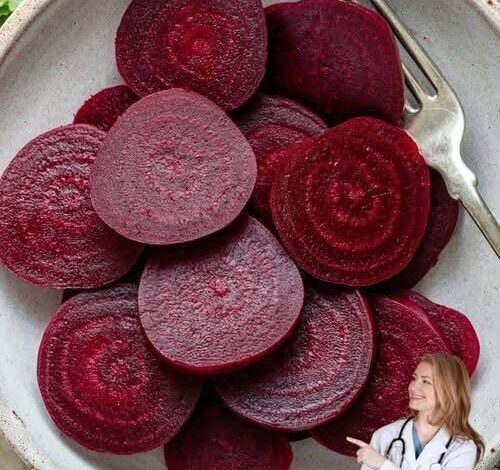
At first glance, the beet doesn’t look especially remarkable. Its rough skin, earthy flavor, and deep crimson color hardly suggest that it contains a remarkable collection of nutrients working quietly to support the body. Yet beneath its humble appearance lies a combination of natural compounds that has made beets a favorite among nutrition researchers, athletes, and home cooks alike.
Unlike many foods surrounded by dramatic health claims, beets don’t promise instant transformations.
Their benefits are far more realistic—and, in many ways, more impressive.
One of the beet’s most studied features is its naturally occurring nitrate content. After you eat beets, your body converts these nitrates into nitric oxide, a molecule that helps relax and widen blood vessels. This process supports healthy circulation, allowing blood to move more efficiently throughout the body.
For some people, particularly those who exercise regularly, improved blood flow may contribute to better endurance and physical performance. Research also suggests that dietary nitrates can play a role in supporting healthy blood pressure as part of an overall balanced diet, although they should never be viewed as a substitute for prescribed medical treatment.
The effect is subtle rather than dramatic.
Beets don’t force the body to work differently.
They simply provide nutrients that support processes the body already performs naturally.
Their benefits extend well beyond circulation.
Beets are also an excellent source of dietary fiber, an essential nutrient that supports digestive health and contributes to steady energy levels. Fiber slows the absorption of carbohydrates, helping reduce rapid swings in blood sugar after meals. It also nourishes the beneficial bacteria living in the digestive tract, which are increasingly recognized for their role in supporting digestion, immune function, and overall well-being.
A healthy gut influences far more than digestion alone.
Scientists continue to explore the complex relationship between the gut microbiome and many aspects of health, including metabolism, inflammation, and even communication between the digestive system and the brain.
Another remarkable feature of beets is their vibrant color.
That rich red-purple hue comes from natural pigments known as betalains. These plant compounds act as antioxidants, helping protect cells from damage caused by unstable molecules known as free radicals. While antioxidants cannot eliminate every source of oxidative stress, diets rich in colorful fruits and vegetables provide valuable support for the body’s natural defense systems.
Research also suggests that betalains may help support normal inflammatory responses and contribute to healthy liver function. Rather than “detoxing” the body through dramatic cleanses—a claim often exaggerated in wellness marketing—beets simply provide nutrients that assist the liver as it performs the complex detoxification processes it already carries out every day.
Your liver doesn’t need miracle foods.
It needs consistent nutritional support.
Beets contribute to that support through a combination of vitamins, minerals, and beneficial plant compounds.
They are an excellent source of folate, a B vitamin essential for cell growth, DNA production, and tissue repair. Folate is particularly important during periods of rapid growth, including pregnancy, but it also plays an ongoing role in maintaining healthy cells throughout life.
Potassium is another key nutrient found in beets.
This mineral helps regulate fluid balance, supports normal muscle and nerve function, and contributes to healthy blood pressure by working alongside sodium to maintain proper balance within the body.
Beets also provide manganese, a trace mineral involved in energy metabolism, bone health, and antioxidant activity. Although needed only in small amounts, manganese participates in numerous biological processes that help keep the body functioning efficiently.
Iron is present as well, contributing to the production of hemoglobin, the protein in red blood cells responsible for transporting oxygen throughout the body. While beets are not among the richest dietary sources of iron, they can still contribute to overall iron intake as part of a varied, nutrient-rich eating pattern.
None of these nutrients makes beets a miracle food.
No single vegetable can prevent disease or replace medical care.
Instead, their value comes from how they complement the body’s existing systems.
Each serving provides another opportunity to nourish normal physiological processes through everyday nutrition.
Perhaps the greatest strength of beets is their versatility.
They can be roasted until naturally sweet and caramelized, sliced thinly into crisp salads, blended into colorful smoothies, added to soups, or incorporated into grain bowls and side dishes. Pickled beets offer another flavorful option, while cooked beets pair beautifully with ingredients like goat cheese, walnuts, citrus, and leafy greens.
This flexibility makes it easier to include them regularly rather than occasionally.
And consistency is where their greatest value lies.
Health is rarely transformed by one meal or one ingredient. It develops gradually through patterns repeated over weeks, months, and years. Choosing nutrient-rich foods again and again has a far greater impact than chasing dramatic trends or short-term cleanses.
Beets fit naturally into that philosophy.
They quietly support circulation, digestion, cellular health, and overall nutrition without demanding attention or making unrealistic promises.
In the end, their greatest lesson may extend beyond nutrition itself. Beets remind us that lasting wellness is rarely built through extremes. More often, it grows from ordinary decisions made consistently—preparing wholesome meals, enjoying a variety of colorful vegetables, staying active, and giving the body the nutrients it needs to function at its best.
Sometimes the most powerful foods are not the ones making the loudest claims.
They are the ones that simply show up, meal after meal, offering steady nourishment that helps the body do what it was designed to do all along.