THE SECRET MARK ON YOUR BACK: IS THIS HIDDEN PHYSICAL TRAIT THE ULTIMATE SIGN OF PEAK VITALITY?

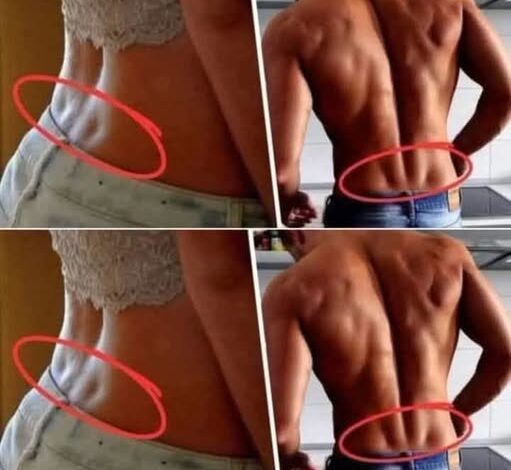
Have you ever noticed two small indentations located just above the lower back, near the top of the buttocks? These natural features are commonly known as “Venus dimples” in women and are sometimes referred to as “Apollo dimples” in men. While they often attract attention because of their appearance, many people are surprised to learn that they are simply a normal anatomical variation rather than a sign of any special condition.
These dimples are formed by the way certain ligaments connect the skin to the underlying pelvic bone, specifically near a structure called the posterior superior iliac spine. Because their appearance is determined primarily by anatomy and genetics, they are not something that can be created through exercise alone. Some people naturally have them, while others do not, regardless of their overall health or fitness level.
Genetics plays the most significant role in whether someone has visible Venus dimples. Just as people inherit traits such as eye color, hair texture, or facial features, the structure that creates these indentations is largely inherited. If close family members have them, there is a greater chance that they may appear in future generations as well.
Although exercise cannot create Venus dimples, body composition can influence how visible they appear. In some individuals, maintaining a lower body fat percentage may make the natural contours of the lower back more noticeable. This does not mean that the dimples are a direct indicator of health or fitness, but rather that certain anatomical features may become easier to see when there is less tissue covering them.
Over the years, Venus dimples have gained a reputation as a symbol of attractiveness and physical fitness. They have appeared in art, fashion, and popular culture as a distinctive physical characteristic. However, medical experts emphasize that these indentations are simply one of many normal variations in human anatomy. Their presence or absence does not provide meaningful information about a person’s health, strength, or physical abilities.
Some people mistakenly believe that Venus dimples indicate superior fitness or exceptional health. While they may be more noticeable in individuals with leaner physiques, there is no scientific evidence showing that people with these dimples are healthier than those without them. Overall wellness depends on many factors, including nutrition, physical activity, sleep, mental health, genetics, and access to healthcare.
The fascination with Venus dimples reflects a broader interest in unique physical features. Human bodies vary widely, and characteristics such as dimples, freckles, birthmarks, and other natural traits contribute to individual appearance and identity. What is considered attractive often changes across cultures and time periods, but anatomical diversity remains a normal and healthy part of being human.
It is also important to remember that physical features should not define self-worth. Whether someone has Venus dimples or not has no bearing on their value, attractiveness, or potential. Many healthy, active individuals do not have them, while many who do possess them may have completely different body types and lifestyles.
Ultimately, Venus dimples are simply a natural anatomical trait that some people inherit. They can be appreciated as a unique feature, but they are not a measure of health, fitness, or beauty. The most important aspects of wellness are found in daily habits, overall physical and mental health, and the way individuals care for themselves over time.
Whether you have Venus dimples, Apollo dimples, or neither, the human body is remarkable in its diversity. Understanding and appreciating these natural differences can encourage a healthier perspective on body image and remind us that wellness is about far more than any single physical characteristic.