The Unforgivable Betrayal: Why This Father’s Choice to End His Own Son’s Life Has Destroyed a Community

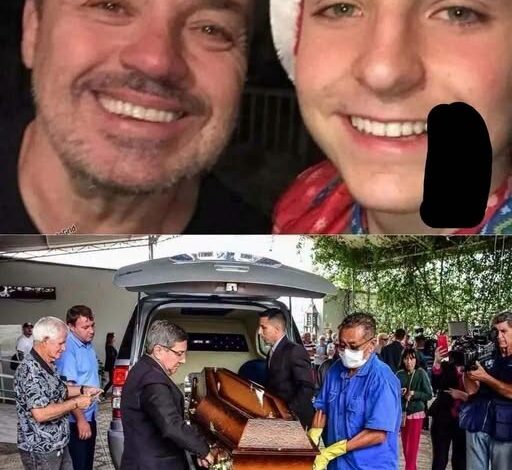
The conversation was supposed to be difficult.
It was never supposed to become a tragedy.
A young man spent weeks gathering the courage to tell his father something deeply personal about who he was. Like many children facing vulnerable conversations with their parents, he hoped for understanding, even if acceptance did not come immediately. He believed that honesty, however uncomfortable, would strengthen the bond between them.
Instead, the conversation became the beginning of a devastating collapse.
According to those familiar with the situation, what started as an honest attempt to share his truth quickly turned into an emotional confrontation. Words were exchanged that could never be taken back. Feelings of fear, disappointment, and rejection overwhelmed what should have been a moment of trust.
By the time the argument ended, the relationship between father and son had been deeply fractured.
The tragedy that followed shocked not only the family but also the wider community.
Neighbors, friends, teachers, and local residents struggled to understand how a home—a place meant to provide safety and support—could become the setting for such profound heartbreak.
In the days that followed, attention shifted beyond the immediate circumstances of the incident. People began asking broader questions about family relationships, acceptance, and the consequences of rejection.
Mental health professionals emphasized that family support plays a critical role in emotional well-being, particularly during moments when young people are navigating questions about identity and belonging.
“Every child wants to know that they are loved,” one counselor explained. “Not because they meet expectations, but because they are valued as a person.”
Experts note that acceptance does not require parents to have all the answers immediately. Difficult conversations can create confusion, uncertainty, and emotional discomfort. However, they stress that confusion should lead to communication rather than rejection.
Children often remember less about whether a parent fully understood them and more about whether that parent listened.
The tragedy has also renewed discussions about the importance of creating safe spaces where young people can seek help when family relationships become strained.
Schools, counselors, community organizations, and support groups can provide critical guidance during periods of emotional crisis. Advocates argue that no young person should feel completely alone while navigating deeply personal challenges.
At the heart of the story lies a painful lesson about the power of words.
Moments of rejection can leave wounds that extend far beyond a single conversation. What is said during an emotionally charged encounter may remain with someone long after the argument itself has ended.
For many families, the incident has become a reminder to ask difficult but necessary questions:
Do our children feel safe speaking honestly with us?
Do they believe they will be heard without judgment?
Do they know that our love is not conditional?
These questions have no simple answers. Yet they may be among the most important questions any parent can ask.
As the community continues to process the tragedy, many hope that some measure of meaning can emerge from the loss. Not by erasing what happened, but by encouraging greater empathy, deeper understanding, and more open conversations within families.
Because every child deserves a home where honesty is met with compassion.
Every parent deserves the opportunity to learn and grow alongside their children.
And every family deserves the chance to choose understanding before it is too late.
The tragedy serves as a sobering reminder that acceptance is not merely a gesture of kindness. For many young people, it can be a lifeline.
Sometimes the most powerful words a parent can offer are also the simplest:
“I’m listening.”
“I’m here.”
“I love you.”