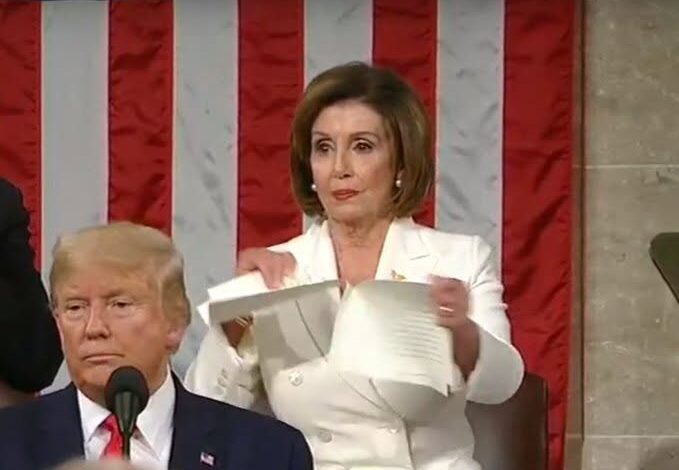
As another contentious election season unfolds, allies of Donald Trump are once again pushing a proposal that has sparked intense political and legal debate: a congressional resolution seeking to expunge his two impeachments from the historical record. While such a measure would carry little practical legal effect, its symbolic significance could be enormous, reigniting arguments over how Trump’s presidency should ultimately be remembered.
Supporters view the effort as a form of vindication, arguing that the impeachments were politically motivated and should no longer stand as defining marks on his record. To them, the resolution represents an opportunity to challenge what they see as partisan actions that unfairly shaped public perceptions of his presidency.
Critics see the proposal very differently. They argue that impeachment is a constitutional process that becomes part of the permanent historical record once completed. From this perspective, attempts to erase or nullify those events are less about correcting history and more about reshaping it for political purposes.
Legal scholars have also weighed in, noting that impeachment proceedings are official actions of the House of Representatives and remain part of the nation’s constitutional history regardless of later resolutions. While Congress can express opinions about past events, many experts contend that it cannot simply remove those events from the historical record.
Yet regardless of its legal prospects, the proposal highlights the continuing struggle over Trump’s legacy. Years after the impeachment votes, the debates surrounding them remain deeply tied to broader questions about presidential power, accountability, partisanship, and the direction of American politics.
Even if the resolution never advances beyond the discussion stage, the controversy ensures that the defining moments of Trump’s presidency will once again return to the national spotlight. Supporters and opponents alike are revisiting familiar arguments, reopening old divisions, and competing to shape how future generations will interpret one of the most polarizing eras in modern American political history.
In many ways, the debate is about more than a pair of impeachment votes. It reflects an ongoing battle over memory, narrative, and political identity—one that continues to influence elections, public discourse, and the broader conversation about the future of the country. Whether viewed as a quest for vindication or an attempt at historical revision, the effort underscores a reality that remains impossible to ignore: the fight over Donald Trump’s place in American history is far from over.