When washing clothes, don’t just put in detergent! Do this little trick, dirty clothes will be like new!

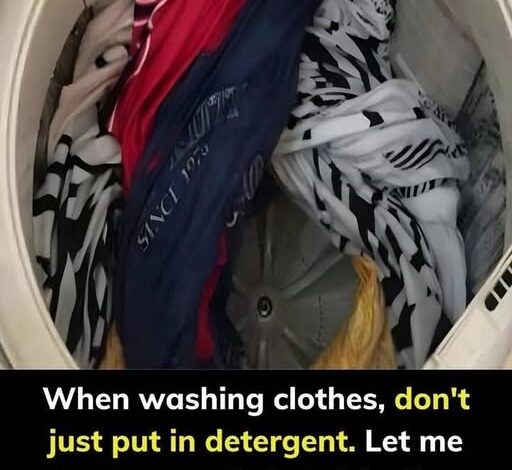
Most people blame poor-quality fabric when their favorite clothes start fading, stretching, or developing small tears after only a few months. But in many cases, the real culprit is hiding in plain sight: the washing machine. While modern washers save time and effort, they can also be surprisingly tough on clothing. Every cycle subjects garments to spinning, twisting, rubbing, and pulling forces that gradually weaken fabric fibers. Over time, even well-made clothes can begin to look worn long before their lifespan should be over.
The damage often happens so slowly that it goes unnoticed at first. A shirt loses a little shape around the collar. A pair of leggings becomes slightly thinner at the knees. Colors begin to fade. Seams loosen. Each wash seems harmless on its own, but the cumulative effect can dramatically shorten the life of your wardrobe.
The reason is simple: friction. During every wash cycle, clothes rub against the drum, against flowing water, and against each other. That constant contact breaks down fibers little by little. Delicate materials such as lace, knitwear, lightweight cotton, and older garments are especially vulnerable because their fibers are already less resistant to stress. Even sturdy fabrics can suffer if they are repeatedly exposed to harsh washing habits.
One of the most common mistakes is overloading the machine. It may seem efficient to wash as much as possible in one load, but cramming the drum full of clothes creates the perfect conditions for damage. Instead of moving freely through the water, garments become compressed and tangled together. As the machine spins, fabrics twist, stretch, and pull against one another with far greater force than intended.
The result can be stretched collars, distorted shapes, weakened seams, snagged fabrics, and even tears. Ironically, overloaded machines often clean less effectively because detergent and water cannot circulate properly throughout the load.
Another overlooked issue is how clothes are placed into the washer. Tossing everything in without preparation may seem harmless, but long sleeves, straps, drawstrings, and pant legs frequently wrap around one another during the cycle. Once tangled, they are subjected to intense twisting and pulling forces that can permanently alter their shape.
A simple habit like shaking out garments before washing can make a noticeable difference. Separating larger items from smaller ones also helps reduce the chances of clothing becoming knotted together.
Proper sorting is equally important. Heavy items such as jeans, hoodies, jackets, and towels can be surprisingly rough on lighter fabrics. During the wash cycle, these heavier pieces repeatedly strike and rub against delicate garments, accelerating wear and tear. Zippers, hooks, buckles, and metal buttons can cause additional damage if left unsecured.
To minimize this risk, zip up zippers, fasten hooks, and turn vulnerable garments inside out before washing. Laundry bags provide another layer of protection for delicate items, helping shield them from direct contact with heavier fabrics.
An unusual but increasingly popular laundry trick involves placing two clean plastic water bottles inside the washing machine. Supporters of the method believe the bottles act as separators during the wash cycle, helping prevent clothes from twisting tightly together.
As the drum rotates, the bottles move among the garments, potentially creating small gaps that reduce tangling and fabric-on-fabric friction. This may help prevent sleeves, straps, and lightweight materials from becoming wrapped around heavier items.
However, caution is important. Any bottles used should be clean, empty, tightly sealed, and free of labels or rough edges. Damaged, cracked, or heavy bottles should never be used, as they could damage the machine or create excessive noise during operation. While some people report positive results, the method is best suited for standard clothing loads rather than delicate fabrics, bulky bedding, or high-speed spin cycles.
Fortunately, protecting your clothes doesn’t require complicated solutions. Small adjustments can significantly reduce wear and extend the life of your garments.
Avoid stuffing the drum completely full. Give clothes enough room to move naturally. Use gentle cycles whenever appropriate, especially for delicate fabrics. Choose cold or lukewarm water when possible, as excessive heat can weaken fibers and fade colors. Measure detergent carefully, since excess detergent can leave residue that stiffens fabric and increases wear.
Turning clothes inside out before washing also helps preserve prints, embroidery, and outer surfaces by reducing direct friction. For especially delicate, sentimental, or expensive items, hand washing remains one of the safest options available.
While no washing method can eliminate fabric wear entirely, thoughtful laundry habits can dramatically slow the process. Many of the problems people blame on poor-quality clothing actually stem from avoidable washing practices that place unnecessary stress on fabrics.
In the end, your washing machine is one of the most useful appliances in your home—but like any powerful tool, it works best when used correctly. By giving clothes room to move, sorting fabrics carefully, reducing tangles, and using protective measures when needed, you can help preserve their appearance, prevent unnecessary damage, and keep your favorite garments looking newer for much longer.