My Family Laughed at Me for Marrying a Man Because of His Height – When He Became Rich, They Came Asking for $20,000, and He Taught Them a Lesson They’ll Never Forget

For years, my parents treated my husband like a mistake I had stubbornly refused to correct.
Not openly at first.
In the beginning, their cruelty arrived disguised as jokes, concerned comments, and passive-aggressive little observations designed to sound harmless in public while cutting deeply in private. They mocked his height constantly, as if a man’s worth could somehow be measured in inches. My mother used to pat my shoulder dramatically whenever family photos were taken and sigh, “Well, at least your children will probably inherit your side of the family’s genes.”
People laughed awkwardly.
My husband smiled politely.
And I sat there burning with humiliation.
My father was worse.
He never insulted Daniel directly—not in obvious ways. He preferred quieter methods. The kind designed to establish superiority without appearing openly cruel. He constantly brought up Daniel’s childhood, reminding everyone that he came from “nothing.” If Daniel mentioned growing up in a small apartment or working construction jobs through college, my father would nod slowly and say things like:
“Well, I suppose hardship builds character.”
As though Daniel were some charity project I had rescued.
The truth was painfully simple:
my parents cared about appearances more than kindness.
And Daniel did not fit the image they imagined for me.
He wasn’t wealthy.
He wasn’t polished.
He didn’t come from the “right” kind of family.
What he was, however, frightened them in a different way entirely:
good.
Painfully, genuinely good.
The kind of good that exposes shallow people without even trying.
Daniel remembered birthdays without reminders. He helped neighbors carry groceries. He called my grandmother every Sunday just because he knew loneliness frightened her. He treated waiters, janitors, executives, and strangers exactly the same way.
My parents mistook gentleness for weakness because they had spent their entire lives confusing status with value.
So they tested him constantly.
And Daniel endured it all with a patience I still struggle to understand.
The worst moment came at our wedding.
Even now, years later, thinking about it still makes my stomach tighten.
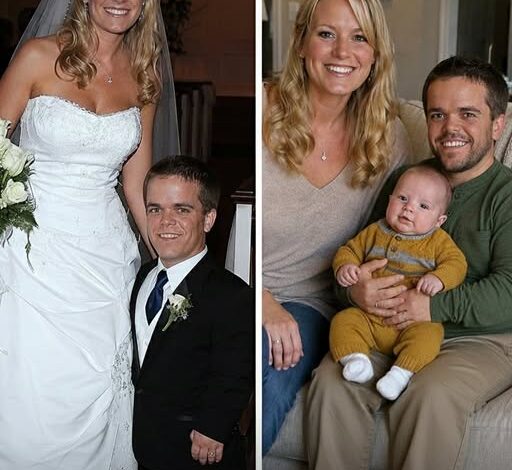
The reception had been beautiful. String lights glowed across the vineyard garden while music drifted softly through the warm evening air. Daniel looked happier than I had ever seen him, standing beside me beneath the lights while family and friends laughed around us.
For one brief moment, I thought maybe my parents had finally accepted him.
Then my father stood for the toast.
At first, everything sounded normal enough.
He spoke about family.
Marriage.
Commitment.
Then his voice shifted slightly.
“You know,” he said, smiling toward the crowd, “when my daughter first brought Daniel home, I’ll admit I was surprised.”
A few uncomfortable laughs fluttered across the room.
My chest tightened instantly.
“I always imagined she’d marry someone a little more… established.”
Daniel’s smile faded slightly beside me.
“But,” my father continued, raising his champagne glass, “sometimes love means overlooking imperfections.”
The room went dead silent.
Even the band stopped moving.
I remember hearing someone drop a fork against a plate somewhere near the back tables.
My mother laughed nervously like he’d said something charming.
Daniel stood completely still beside me.
Then my father delivered the final blow.
“Thankfully,” he said with a grin, “my daughter has always had a soft spot for lost causes.”
I wanted to disappear.
The humiliation was physical. My face burned so hot I could barely breathe. Half the guests stared down at their plates while the other half looked at Daniel with open sympathy.
And my husband?
He simply took my hand gently beneath the table.
That somehow hurt the most.
Because even then—even while being publicly humiliated at his own wedding—his first instinct was comforting me.
Later that night, after everyone left, I found him alone outside near the vineyard fence staring into the darkness.
“I’m sorry,” I whispered.
Daniel looked at me quietly for a long moment before speaking.
“You don’t have to apologize for who your parents are.”
The grace in that sentence nearly broke me.
“What he said was unforgivable.”
Daniel shrugged softly, though I could see pain buried behind his calm expression.
“I stopped needing their approval a long time ago.”
But I hadn’t.
That was the truth I hated most.
Some childish part of me still wanted my parents to become better people eventually. I kept believing enough time would soften them. That they’d finally recognize Daniel’s worth if he loved me well enough for long enough.
Instead, they continued treating him like someone temporarily occupying space in our lives rather than family.
And still, Daniel never retaliated.
Not once.
Years passed.
Then everything changed.
My father’s business collapsed first.
Bad investments.
Lawsuits.
Debt hidden for years beneath appearances and expensive dinners.
Within months, the house was gone.
Then the cars.
Then the country club membership my parents once treated like proof of human superiority.
People they considered “friends” disappeared overnight.
No one answered their calls anymore.
Except us.
Even after everything, Daniel still insisted we check on them occasionally.
“They’re your parents,” he’d say quietly whenever I complained.
I sometimes wondered if his capacity for forgiveness bordered on insanity.
Then one rainy November evening, my mother called crying hysterically.
I hadn’t heard genuine panic in her voice before.
“We need help,” she whispered.
That sentence alone felt surreal.
My parents never asked for help.
They demanded things.
Expected things.
Manipulated things.
But this?
This sounded like collapse.
We drove to their apartment immediately.
Apartment.
Even now the word still shocks me when attached to them. The people who once mocked Daniel’s tiny childhood apartment now lived in a cramped two-bedroom rental above a laundromat where pipes groaned inside the walls.
My father looked twenty years older when he opened the door.
Smaller too.
Pride had vanished from him completely.
For the first time in my life, he looked frightened.
They explained everything slowly over stale coffee at a scratched kitchen table. Debts had swallowed what remained of their savings. Foreclosure proceedings left them with almost nothing. Medical bills from my father’s heart surgery pushed them even closer toward disaster.
Then finally my mother said the number quietly:
“We need twenty thousand dollars.”
Silence filled the apartment instantly.
I looked toward Daniel automatically.
Because despite everything, my parents still assumed the money came from him.
And technically, it did.
Daniel’s construction company had exploded successfully over the years. The same man they mocked for being “unestablished” now owned three commercial development firms and employed over two hundred people across the state.
My father couldn’t even look him directly in the eyes while asking.
That irony hung heavily in the room.
Daniel stayed quiet for a very long time.
Then finally, he nodded once.
“I’ll give you the money.”
My mother burst into tears immediately.
My father looked physically relieved.
And for one dangerous second, I thought they had learned absolutely nothing.
Then Daniel spoke again.
“But only on one condition.”
The room froze.
My father’s expression tightened cautiously. “What condition?”
Daniel leaned forward slowly, resting his hands together on the table.
And for the first time in ten years, I saw something different in him.
Not anger.
Not cruelty.
Clarity.
“You’re going to come to dinner at our house next Sunday,” he said calmly. “And you’re going to tell the truth.”
Neither of my parents spoke.
Daniel’s voice remained even.
“You spent years mocking me for where I came from. For my height. My background. My work. You humiliated me at my own wedding because you believed success and worth belonged only to people who looked wealthy enough for your standards.”
My mother looked down immediately.
“You taught your daughter that appearances mattered more than kindness,” Daniel continued quietly. “And I watched her spend years trying to earn love that should’ve been given freely.”
The silence became unbearable.
Then came the condition they never expected.
“You’re going to sit in front of our children,” Daniel said softly, “and explain why you were wrong.”
My mother’s eyes widened instantly.
“What?”
“Our kids are getting old enough to notice how people treat others. I won’t let them inherit the belief that dignity depends on money, status, or appearances.”
My father’s face reddened immediately.
“You want to humiliate us.”
Daniel shook his head gently.
“No. I want honesty.”
The difference between those two things landed heavily in the room.
“You spent years treating me like I was beneath your family,” Daniel said. “But I’m still here. I still showed up when you needed help. Not because you earned it—but because this family needed someone willing to act with compassion even when compassion wasn’t returned.”
My mother started crying harder.
My father looked devastated in a way I had never seen before.
And suddenly I understood what made Daniel’s condition so powerful:
it wasn’t revenge.
If he wanted revenge, he could’ve refused them completely.
What he demanded instead was accountability.
Truth.
Humility.
The very things my parents spent their lives avoiding.
The following Sunday they came to our house exactly at six o’clock.
I don’t think I’ll ever forget watching my father stand awkwardly in our dining room while our two children looked up at him curiously.
For several seconds, he couldn’t speak.
Then finally, quietly, he said:
“I owe your father an apology.”
Not Daniel.
Your father.
The words alone carried enormous weight.
And slowly, painfully, my parents told the truth.
About arrogance.
About pride.
About judging people by money and appearances.
About mistaking kindness for weakness.
My father cried halfway through speaking.
Actually cried.
I had never seen that happen before.
And while my children probably didn’t fully understand the history behind that moment, they understood enough to witness something rare:
adults admitting failure honestly.
After dinner, my father lingered behind while everyone else cleared plates.
Daniel stepped onto the back porch for air, and after several moments, my father followed him outside.
I watched through the kitchen window as they stood silently beneath the porch light.
Then finally, my father extended his hand.
Daniel looked at it quietly before shaking it.
Simple.
Brief.
Human.
And somehow that moment healed more than any apology ever could.
The twenty thousand dollars mattered, of course. It helped my parents survive one of the darkest periods of their lives.
But the real transaction that night wasn’t financial.
It was moral.
For the first time, my parents understood something Daniel had known all along:
character reveals itself most clearly not in how people behave when they hold power—
but in how they behave when they no longer do.