Most people know nicotine affects the lungs and heart—but few realize it may also be quietly weakening their bones for years before any warning signs appear

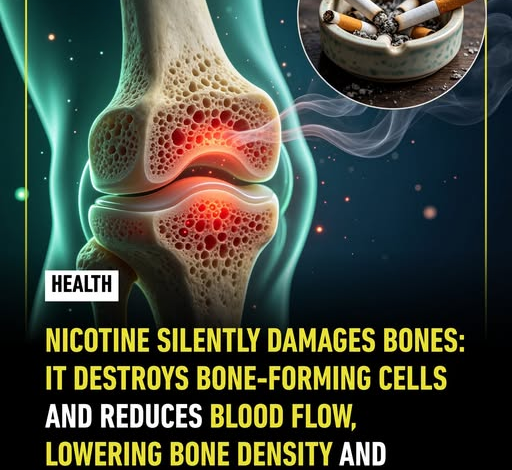
When people think about the dangers of nicotine, the first concerns that usually come to mind are lung disease, heart problems, or addiction. Rarely does anyone consider what nicotine may be doing to their skeleton. Yet researchers have spent years studying its effects on bone health, and the findings reveal a problem that often develops silently, without pain or noticeable symptoms, until a serious injury occurs.
Bones may seem like solid, unchanging structures, but they are remarkably active living tissues. Every day, they are constantly breaking down old bone and replacing it with new, healthy tissue through a process known as bone remodeling. This continuous cycle allows the skeleton to remain strong, repair tiny areas of damage, and adapt to the physical demands of everyday life.
At the center of this process are specialized cells called osteoblasts. These cells are responsible for producing new bone tissue, strengthening the skeleton, and repairing microscopic damage before it becomes a larger problem. Healthy osteoblast activity is essential for maintaining strong bones throughout childhood, adulthood, and older age.
Nicotine interferes directly with this natural process.
Research suggests that nicotine can reduce the activity of osteoblasts, limiting their ability to build and maintain healthy bone tissue. When these bone-building cells become less effective, the balance between bone formation and bone breakdown begins to shift. Over time, less new bone is created while older bone continues to be removed, gradually weakening the skeleton from within.
This change does not happen overnight. Instead, it develops slowly over months and years, often without causing any obvious symptoms. A person may feel perfectly healthy while subtle losses in bone strength continue unnoticed beneath the surface.
The effects of nicotine extend beyond the bone cells themselves. Another major concern is its impact on blood circulation.
Nicotine causes blood vessels to narrow, reducing the amount of blood that reaches tissues throughout the body. While this effect is often discussed in relation to heart disease and circulation problems, it also has important consequences for bones. Like every living tissue, bones rely on a constant supply of oxygen and nutrients delivered through the bloodstream.
When circulation is reduced, bones receive fewer of the essential building blocks they need to maintain strength and repair everyday wear and tear. Important nutrients such as calcium, phosphorus, proteins, vitamins, and oxygen become less available, making it more difficult for bone tissue to regenerate efficiently.
This reduced blood flow can also slow the healing process after injuries. People who use nicotine products may experience delayed recovery following fractures or orthopedic surgery because the body struggles to rebuild damaged bone as quickly as it otherwise would. For this reason, many surgeons strongly encourage patients to stop using nicotine before and after procedures involving bones or joints whenever possible.
As the years pass, the combined effects of impaired bone-building cells and reduced circulation can contribute to lower bone mineral density. Bone density refers to the amount of mineral contained within bones and serves as an important indicator of overall bone strength. Lower density means bones become more fragile and less capable of withstanding everyday stress.
Eventually, this increases the likelihood of osteoporosis, a condition in which bones become porous, brittle, and significantly more prone to fractures. Osteoporosis is often called a “silent disease” because people usually do not realize they have it until they suffer a broken bone after a relatively minor fall or injury.
Hip fractures, wrist fractures, and spinal compression fractures are among the most common complications associated with weakened bones. These injuries can have a major impact on independence, mobility, and overall quality of life, particularly as people grow older.
One reason this issue often goes unnoticed is that bones rarely send warning signals while they are gradually losing strength. Unlike muscles or joints, which may become sore or stiff, declining bone density usually causes no pain during its early stages. As a result, many people remain unaware that damage has been occurring for years until an unexpected fracture reveals the problem.
The encouraging news is that the body has an incredible ability to recover once nicotine exposure stops.
Quitting cigarettes and other nicotine-containing products allows blood vessels to gradually regain healthier function, improving circulation throughout the body. As blood flow increases, bones once again receive better supplies of oxygen and nutrients needed to support normal remodeling and repair.
Although recovery takes time, research suggests that eliminating nicotine can help slow ongoing bone loss and create conditions that allow healthier bone maintenance moving forward. The sooner someone quits, the greater the opportunity to reduce future damage and preserve long-term skeletal health.
Of course, stopping nicotine is only one part of protecting your bones. Regular weight-bearing exercise, such as walking, hiking, dancing, or strength training, stimulates bone formation and helps maintain bone density throughout life. Eating a balanced diet that includes adequate calcium, vitamin D, protein, magnesium, and other essential nutrients provides the raw materials bones require to remain strong.
Avoiding excessive alcohol intake, maintaining a healthy body weight, and discussing bone density screening with a healthcare provider when appropriate can also play important roles in preventing osteoporosis and reducing fracture risk.
For individuals who have used nicotine products for many years, it is never too late to make positive changes. While some effects cannot be completely reversed, the body continues working to repair itself long after nicotine is removed. Improved circulation, healthier bone remodeling, and a reduced risk of future fractures are meaningful benefits that can continue to develop over time.
The connection between nicotine and bone health is often overlooked, but the evidence continues to grow. Beyond its well-known effects on the lungs and cardiovascular system, nicotine quietly interferes with the very cells responsible for building strong bones while limiting the blood supply they depend on to survive. Because this damage develops gradually and without obvious symptoms, many people never realize what is happening until a fracture changes everything. Choosing to quit today gives your bones the opportunity to recover, strengthen, and better support you for years to come.