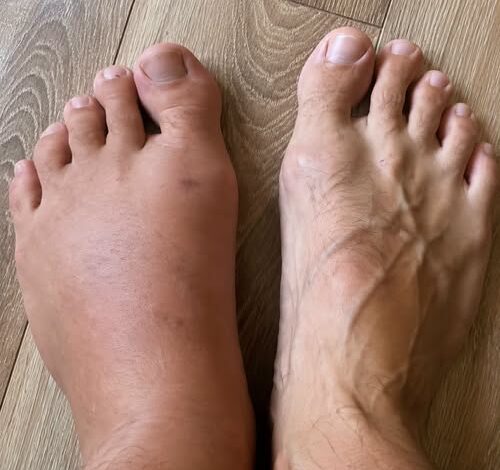
Swollen feet are easy to dismiss after a long day, especially if you’ve been standing, walking, or sitting for hours. Many people assume it’s simply part of getting older or an inconvenience that will disappear overnight. In reality, however, swelling in the feet and ankles can be one of the body’s earliest warning signs that something deserves closer attention.
In many cases, the cause is temporary and harmless.
Hot weather can cause blood vessels to expand, allowing fluid to collect in the lower legs. Spending long periods sitting at a desk, standing at work, or traveling on a lengthy flight can also slow circulation, making the feet appear puffy by the end of the day. Eating large amounts of salty foods encourages the body to retain water, while pregnancy commonly leads to swelling as the growing uterus places additional pressure on blood vessels and the body naturally holds onto more fluid.
These situations often improve with simple lifestyle adjustments and rest.
However, swelling that persists, worsens over time, or appears without an obvious explanation deserves careful attention. Persistent swelling can sometimes point to underlying medical conditions affecting the heart, kidneys, liver, or veins—conditions that benefit from prompt evaluation and treatment.
Heart problems, including heart failure, may reduce the heart’s ability to pump blood efficiently. As circulation slows, fluid can accumulate in the legs, ankles, and feet, causing noticeable swelling that often becomes more pronounced later in the day.
Kidney disease can also contribute. When the kidneys cannot remove excess fluid and waste effectively, fluid may build up throughout the body, often becoming visible first in the lower extremities.
Liver disease is another possible cause. Certain liver conditions can reduce the production of proteins that help keep fluid inside blood vessels. As protein levels fall, fluid may leak into surrounding tissues, leading to swelling in the feet and legs.
Problems with the veins themselves may also be responsible. Chronic venous insufficiency occurs when veins struggle to return blood from the legs back to the heart, allowing blood and fluid to pool in the lower limbs. Over time, this can cause ongoing swelling, discomfort, skin changes, and, in some cases, ulcers.
One situation requires particularly urgent attention.
Swelling that develops suddenly in only one leg—especially when accompanied by pain, warmth, redness, or tenderness—may indicate a deep vein thrombosis (DVT), a blood clot that forms in a deep vein. Because part of a clot can travel to the lungs and cause a life-threatening pulmonary embolism, symptoms like these should be evaluated immediately.
Fortunately, many cases of mild swelling can improve with practical measures that support healthy circulation.
Elevating your legs above the level of your heart for short periods during the day helps gravity encourage fluid to move back toward the upper body. Staying well hydrated may seem surprising, but drinking enough water helps the body regulate fluid balance more effectively. Reducing excess sodium intake while including potassium-rich foods—such as bananas, sweet potatoes, spinach, avocados, beans, and oranges—may also support healthy fluid regulation as part of a balanced diet.
Regular movement is equally important.
Simple activities like walking, gentle stretching, or flexing your ankles while sitting encourage the calf muscles to act as natural pumps, helping move blood back toward the heart. Avoiding long periods of sitting or standing without changing position can significantly reduce fluid buildup over time.
Compression socks may also help some people by applying gentle pressure that supports blood flow in the legs. Because compression garments are not appropriate for everyone—particularly people with certain circulation problems—it’s a good idea to discuss their use with a healthcare professional if you have underlying medical conditions.
Comfortable, well-fitting footwear can also make a difference. Shoes that allow adequate room for the feet without excessive pressure can reduce discomfort and help accommodate mild swelling during the day.
While these strategies often provide relief, they should never replace medical evaluation when warning signs are present.
Seek prompt medical attention if swelling appears suddenly, affects only one leg, continues despite home care, becomes increasingly painful, or is accompanied by redness, warmth, fever, chest pain, shortness of breath, dizziness, or difficulty breathing. These symptoms may indicate a serious medical condition requiring immediate treatment.
Your feet support you every day, often without drawing much attention to themselves. When they begin sending signals through persistent swelling, they may be reflecting changes occurring elsewhere in your body. Paying attention to those early signs—and seeking medical advice when something doesn’t seem right—can lead to earlier diagnosis, more effective treatment, and better long-term health.
What may seem like a minor inconvenience today can sometimes be the body’s quiet request for help. Listening carefully to those signals, rather than ignoring them, may protect not only your mobility but your overall well-being in the years ahead.