Turn on the news for just a few minutes, and it can feel as though the world is constantly on the edge of another crisis.
Powerful storms threaten entire communities, heartbreaking accidents leave families forever changed, and international tensions dominate headlines across television, newspapers, and social media. Although these events often seem unrelated, they all highlight the same reality: life can change without warning.
While uncertainty is unavoidable, panic doesn’t have to be our response.
The most effective way to face unpredictable events is through preparation, reliable information, and a willingness to support the people around us.
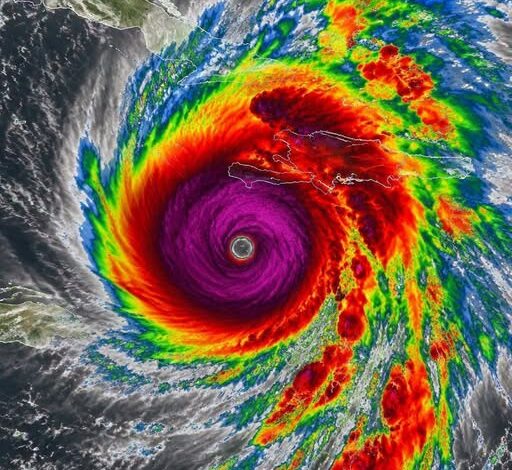
Severe weather remains one of the greatest challenges many communities face each year. Hurricanes, tornadoes, floods, wildfires, and powerful storms can develop rapidly, placing homes and families at risk within hours.
Fortunately, modern forecasting technology has improved dramatically over the past several decades. Meteorologists can now detect dangerous weather systems earlier than ever before, allowing emergency officials to issue advance warnings that give residents valuable time to prepare.
When severe weather threatens your area, experts consistently recommend paying close attention to official forecasts, reviewing evacuation routes, preparing emergency supplies, and following instructions from local authorities if evacuation orders are issued.
Preparation is not about expecting the worst.
It’s about being ready if the unexpected happens.
A basic emergency kit can make an enormous difference during prolonged power outages or natural disasters. Drinking water, non-perishable food, flashlights, spare batteries, prescription medications, first-aid supplies, important documents stored in waterproof containers, portable phone chargers, and pet supplies are all items emergency management agencies commonly recommend.
Families also benefit from discussing emergency plans in advance.
Knowing where to meet, how to contact one another if phone networks become overloaded, and identifying alternative communication methods can reduce confusion during stressful situations.
Disasters also remind us of something equally important.
Communities recover fastest when neighbors look after one another.
Checking on elderly residents, assisting people with disabilities, helping families with young children, sharing verified information, and volunteering during cleanup efforts often make just as much difference as the work performed by emergency responders.
Preparedness begins with individuals, but resilience grows through communities.
Natural disasters aren’t the only events capable of changing lives overnight.
Serious transportation accidents, workplace incidents, school emergencies, and other unexpected tragedies continue to affect thousands of families every year.
While the physical damage is often immediately visible, the emotional consequences frequently last much longer.
Survivors, relatives, classmates, coworkers, teachers, and first responders may all carry invisible wounds that require patience, counseling, and long-term support.
Recovery extends far beyond repairing damaged buildings or replacing equipment.
It involves rebuilding lives.
During these moments, firefighters, police officers, emergency medical personnel, nurses, physicians, and countless other professionals work under extraordinary pressure.
Their rapid response saves lives, comforts families, and provides stability during some of the most difficult circumstances anyone can experience.
Long after television cameras leave, communities often continue supporting those affected through memorials, charitable fundraising, counseling services, scholarships, and long-term recovery efforts.
Beyond local events, international developments also contribute to the uncertainty many people feel.
Diplomatic relationships between nations influence global security, energy markets, trade, and economic conditions that can affect everyday life far beyond national borders.
Negotiations involving countries such as the United States and Iran frequently receive worldwide attention because of their potential regional and international significance.
Although political disagreements can understandably create concern, diplomacy, communication, and international cooperation remain among the most effective tools for reducing tensions and preventing larger conflicts.
Because these situations can change quickly, choosing trustworthy sources of information becomes especially important.
Social media often spreads dramatic rumors within minutes, many of which later prove inaccurate or incomplete.
Reliable news organizations and official government statements typically provide far greater context, helping people understand not only what has happened but also how events are continuing to develop.
The speed of modern communication has made access to information easier than ever before.
Unfortunately, misinformation now travels just as quickly.
Before sharing breaking news, emergency updates, or dramatic claims online, taking a few moments to verify the information through official weather services, emergency management agencies, government authorities, or established news organizations can prevent confusion and unnecessary panic.
Being informed does not require consuming every headline.
In fact, mental health professionals often recommend setting healthy boundaries around news consumption, particularly during prolonged crises.
Constant exposure to alarming stories can increase stress, anxiety, and feelings of helplessness.
Limiting time spent scrolling through social media, taking breaks from the news, maintaining daily routines, spending time outdoors, and focusing on practical actions within your control can all help preserve emotional well-being while remaining informed.
Preparedness itself extends well beyond storing emergency supplies.
Maintaining adequate insurance coverage, updating emergency contact information, learning basic first aid and CPR, understanding local emergency procedures, and reviewing family communication plans all contribute to greater confidence when unexpected situations arise.
These simple steps provide reassurance regardless of whether the challenge involves severe weather, extended power outages, transportation disruptions, or other emergencies.
Strong communities rarely appear overnight.
They are built through everyday relationships formed long before disaster strikes.
Neighbors who know one another are more likely to exchange reliable information, check on vulnerable residents, share resources, and provide emotional support when circumstances become difficult.
History repeatedly demonstrates that even during humanity’s darkest moments, compassion often shines just as brightly.
Volunteers organize relief efforts.
Healthcare professionals work tirelessly to save lives.
Utility crews restore electricity and essential services.
Teachers comfort grieving students.
Ordinary people open their homes, donate supplies, prepare meals, and help complete strangers begin rebuilding.
These acts of generosity rarely dominate headlines the way disasters do, yet they are often the foundation of recovery.
While none of us can prevent every storm, accident, or international dispute, we can choose how we respond.
Preparation replaces uncertainty with confidence.
Reliable information replaces rumors with understanding.
Kindness strengthens communities far more effectively than fear ever could.
The future will always include challenges we cannot predict.
But it will also continue to reveal remarkable resilience, courage, and compassion in people willing to help one another through difficult times.
By staying informed through trustworthy sources, preparing thoughtfully, and supporting those around us, we not only protect ourselves—we strengthen the communities we all depend on.
When uncertainty arrives, knowledge, preparation, and cooperation remain some of the most powerful tools any of us can possess.