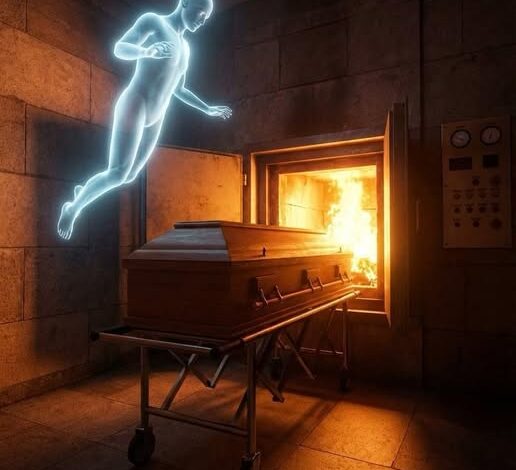
For many Christians, the conversation about burial and cremation reaches beyond practical considerations. It touches on deeply held beliefs about life, death, resurrection, and the hope promised through faith. While emotions often run high when families make these decisions, the Bible’s central message places greater emphasis on honoring God and the person who has died than on prescribing one specific method of caring for the body.
Throughout Scripture, burial is the most commonly described practice. Patriarchs, prophets, kings, and ordinary believers were typically laid to rest in tombs or graves. Abraham buried Sarah, Jacob was buried alongside his ancestors, and Jesus Himself was placed in a tomb following His crucifixion. These accounts reflect the customs of the cultures in which they occurred and demonstrate the respect shown to those who had passed away.
Yet despite these many examples, the Bible does not contain a direct command requiring Christians to choose burial over cremation. The consistent theme is not the method itself but the reverence with which the dead are treated. Scripture repeatedly encourages believers to recognize the dignity of every human being, created in the image of God, and to approach death with both compassion and hope.
For Christians, that hope rests in the promise of resurrection.
The New Testament teaches that those who place their faith in Christ have confidence that death is not the end. This assurance is rooted not in the condition of the physical body but in the power of God. The resurrection described throughout Scripture is presented as God’s work, not something dependent on preserving earthly remains in a particular state.
History reinforces this understanding.
Across the centuries, countless believers have died under circumstances that made traditional burial impossible. Some were lost at sea, others perished in fires, natural disasters, wars, or persecution. Many left no marked grave at all. Yet Christian teaching has never suggested that these circumstances placed them beyond God’s reach or diminished the promise of eternal life. The God who, according to Scripture, created humanity from the dust is not limited by the condition of the body after death.
This conviction has shaped the views of many Christian communities today.
While some denominations continue to encourage burial because of its rich biblical symbolism and its connection to Christ’s own burial, many also recognize cremation as an acceptable option when it is chosen thoughtfully and respectfully. Rather than viewing cremation as a rejection of resurrection, these communities often see it as a personal decision that can coexist with a sincere profession of Christian faith.
Intent matters greatly in that decision.
If cremation is chosen simply for practical reasons, family preference, financial considerations, or other circumstances while still honoring the deceased and affirming belief in God’s promises, many churches regard it as fully compatible with Christian doctrine. Families often accompany cremation with funeral services, prayers, Scripture readings, and acts of remembrance that reflect their faith and celebrate the life of the person they have lost.
At the same time, Christians are encouraged to consider the meaning behind their choices. Funerals are not only moments of farewell but also opportunities to express beliefs about life, death, and the hope of eternity. Whether a family chooses burial or cremation, the ceremony can become a powerful testimony to their confidence that death does not have the final word.
The question, then, is not simply, “Which method is correct?” It is also, “What does this decision communicate about our faith, our values, and the hope we hold onto in the face of loss?”
For many believers, that reflection brings peace rather than uncertainty. They recognize that God’s faithfulness does not depend on human customs or the physical condition of earthly remains. Christian hope rests instead on the conviction that Christ’s victory over death extends to all who belong to Him.
Ultimately, burial and cremation are both understood by many Christians as ways of respectfully caring for the body after death. The choice may differ from one family, tradition, or denomination to another, but the heart of the Christian message remains unchanged. The body is treated with honor because it was part of a life created by God, while the believer’s confidence rests in the promise that death is not the end of the story.
In that light, the final form of the body does not limit God’s power, diminish His promises, or alter the hope of resurrection. What endures is the assurance that those who trust in Him are held securely in His care. For Christians, that confidence offers comfort in grief, strength in uncertainty, and the enduring promise that life in Christ extends beyond the grave, resting in the hands of the One who has conquered death itself.