Most people spend more money chasing “superfoods” while overlooking one of the healthiest foods in the grocery store. Researchers say this small fish may deliver more nutrition than many expensive alternatives

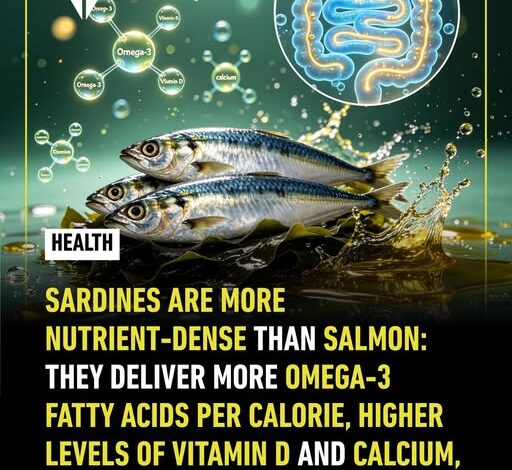
When conversations turn to healthy eating, foods like salmon, avocados, blueberries, and kale often dominate the spotlight. These ingredients have earned reputations as nutritional powerhouses, appearing in countless health articles, meal plans, and social media posts. Yet hidden among the shelves of nearly every grocery store is another food that deserves just as much attention—one that is often overlooked simply because it has become so familiar.
Sardines may not be the first food that comes to mind when people think of a “superfood,” but nutrition experts have increasingly recognized them as one of the most nutrient-dense foods available. Despite their small size, sardines are packed with an extraordinary combination of healthy fats, high-quality protein, vitamins, and minerals that work together to support nearly every system in the body. Even more impressive, they provide many of these nutrients in forms that are highly absorbable, allowing the body to make excellent use of what they contain.
One of the reasons sardines have attracted so much scientific interest is their exceptional concentration of omega-3 fatty acids. These healthy fats are considered essential because the body cannot produce enough of them on its own. Instead, they must be obtained through food.
Omega-3 fatty acids play a vital role in maintaining normal cell function throughout the body. They contribute to healthy brain development, support vision, help regulate inflammation, and are especially well known for promoting cardiovascular health. Numerous studies have linked adequate omega-3 intake with supporting healthy blood vessels, maintaining normal triglyceride levels, and encouraging proper heart function.
Although salmon is often praised for its omega-3 content, sardines can provide an impressive amount of these valuable fats relative to their calorie content. This makes them an efficient option for people looking to increase their omega-3 intake without consuming large portions of food.
Another standout feature of sardines is their naturally high vitamin D content. Vitamin D is essential for helping the body absorb calcium efficiently while supporting healthy bones, muscles, immune function, and normal nerve activity. Despite its importance, vitamin D deficiency remains common in many parts of the world, particularly among individuals who spend limited time outdoors or receive little sunlight during certain seasons.
Including foods naturally rich in vitamin D can help support healthy levels alongside sensible sun exposure and, when appropriate, supplementation recommended by a healthcare provider. Sardines provide this important nutrient in a convenient and natural form.
Perhaps one of the most unique advantages of sardines comes from something many people hardly notice at all—their soft edible bones.
Unlike the larger bones found in many fish, sardine bones become soft during processing and are completely safe to eat. These tiny bones are packed with calcium, one of the body’s most essential minerals. Calcium provides the structural foundation for bones and teeth while also playing critical roles in muscle contraction, nerve signaling, blood clotting, and maintaining a normal heartbeat.
Because the calcium remains naturally bound within the edible bones, it is readily available as part of the food itself. This makes sardines one of the richest natural dietary sources of calcium, often providing more than many people expect from a serving of fish.
Strong bones depend on more than calcium alone. The combination of calcium, vitamin D, phosphorus, protein, and other minerals found together in sardines creates a nutritional package that supports healthy bone remodeling throughout life. This can be particularly valuable for older adults, who naturally experience gradual declines in bone density with age.
Sardines also provide an excellent source of complete protein. Every serving contains all nine essential amino acids the body requires for building muscles, repairing tissues, producing hormones and enzymes, and supporting immune function. Protein also contributes to satiety, helping people feel fuller after meals and supporting healthy weight management when included as part of a balanced diet.
One concern many people have about seafood is exposure to mercury and other environmental contaminants. Larger predatory fish often accumulate higher levels of mercury because they spend years feeding on smaller fish, gradually concentrating contaminants in their tissues through a process known as bioaccumulation.
Sardines are different.
As small, short-lived fish that occupy a low position on the food chain, sardines have far less time to accumulate mercury and heavy metals. Their diet and relatively short lifespan contribute to naturally low contaminant levels, making them one of the safer seafood choices for regular consumption according to many health authorities.
Their environmental impact is another reason nutrition experts often recommend them. Because sardines reproduce quickly and exist in large populations, responsibly managed fisheries can harvest them more sustainably than many larger fish species that require years to mature. Choosing sustainably sourced sardines can therefore support both personal health and responsible seafood practices.
Adding sardines to everyday meals is easier than many people expect. They can be enjoyed on whole-grain toast, mixed into salads, stirred into pasta dishes, combined with vegetables, or mashed with herbs and a squeeze of fresh lemon for a simple spread. Their rich flavor pairs well with tomatoes, olives, leafy greens, roasted vegetables, and whole grains, making them surprisingly versatile in the kitchen.
Of course, no single food provides everything the body needs. Sardines deliver their greatest benefits when included as part of a varied eating pattern filled with fruits, vegetables, legumes, whole grains, nuts, seeds, and other nutritious foods. Regular physical activity, quality sleep, stress management, and avoiding tobacco are equally important components of long-term health.
Still, few foods offer such an impressive collection of nutrients in such a compact package. Rich in omega-3 fatty acids, highly absorbable calcium, vitamin D, complete protein, and numerous essential minerals, sardines provide broad nutritional support for the heart, bones, brain, immune system, and overall well-being.
Sometimes the healthiest choices aren’t the most expensive or the most heavily advertised. While many people search for the next trendy superfood, one of the best nutritional bargains has been sitting quietly on grocery store shelves all along. Small in size but exceptionally rich in nutrients, sardines prove that remarkable health benefits can come in surprisingly humble packages—and they remain one of the smartest additions to a balanced diet for anyone looking to nourish their body for years to come.