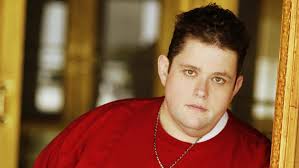
For years, Ralphie May walked onto stages looking larger than life in every possible sense.
The booming voice.
The fearless delivery.
The explosive laugh that seemed to shake entire rooms before audiences even fully processed the joke itself.
He performed with the kind of confidence people often mistake for invincibility — the confidence of someone willing to say the uncomfortable thing first, louder and funnier than anyone else dared. Audiences loved him because he didn’t merely tell jokes; he bulldozed through shame publicly, dragging insecurity, addiction, pain, and self-destruction onto the stage and transforming them into communal laughter.
But behind that enormous presence lived a man who spent much of his life fighting battles too heavy to stay hidden forever.
And perhaps that is why his death hit the comedy world so hard.
Not because people believed Ralphie May was indestructible.
Because somewhere deep down, they knew he wasn’t.
They had watched him struggle in plain sight for years.
Before the fame, before sold-out theaters and television specials, Ralphie was simply a kid from Arkansas trying to survive a body and a life that often made him feel isolated before he ever stepped onto a stage. Obesity shaped his identity early. Children can be merciless toward anyone visibly different, and weight becomes impossible to hide from the world. Every classroom, cafeteria, and public space teaches heavy kids quickly that their bodies will always enter rooms before their personalities do.
Comedy became survival.
That happens more often than people realize. Many comedians learn timing before confidence. They discover that making people laugh grants temporary control over humiliation. If you can turn yourself into the joke first, you steal cruelty’s power away from everyone else.
Ralphie mastered that instinct young.
And eventually, he built an entire career from it.
When Last Comic Standing introduced him to mainstream audiences, people noticed the obvious things first — his size, his volume, his fearlessness. But what separated him from countless loud comedians chasing shock value was vulnerability. Beneath every outrageous story and brutal punchline existed genuine emotional exposure. Ralphie didn’t just joke about addiction, depression, food, or self-destruction because they were edgy topics.
He joked about them because he lived inside them.
That distinction matters.
Audiences can sense the difference between performance and confession even when both arrive disguised as comedy. Ralphie’s material worked because people recognized truth underneath the exaggeration. He wasn’t mocking suffering from a distance; he was describing life from inside it.
And strangely, that honesty comforted people.
Fans who struggled with obesity heard someone refusing shame publicly.
People battling addiction recognized familiar darkness beneath the laughter.
Depressed audiences watched a man openly admit pain without pretending recovery looked neat or inspirational.
Ralphie gave people emotional permission to remain imperfect.
That may be why so many fans describe his comedy not simply as funny, but healing.
He turned humiliation into connection.
There’s something deeply human about watching another person expose their flaws loudly enough that your own stop feeling quite so isolating for a while.
But carrying pain publicly creates its own exhaustion.
The entertainment industry often rewards wounded performers right up until the moment their wounds become inconvenient. Audiences cheer honesty as long as it remains entertaining. Managers want vulnerability as long as tickets keep selling. Meanwhile, comedians continue climbing onto stages night after night transforming private suffering into professional material because the show must continue regardless of emotional cost.
For Ralphie, the pressure became relentless.
Touring.
Health scares.
Weight struggles.
Substance abuse.
The emotional collapse of his marriage.
Financial pressure.
Industry expectations.
All while remaining “the funny guy” in rooms full of people expecting constant energy and emotional availability.
People forget how lonely comedy can become professionally.
Stand-up looks social from the outside — crowded clubs, roaring audiences, backstage stories — but much of the life itself happens in isolation. Airports. Hotel rooms. Late-night drives between cities. Endless cycles of adrenaline followed by emotional crashes once audiences disappear and silence returns.
For comics already battling depression or addiction, that lifestyle can quietly magnify every weakness.
Ralphie often spoke openly about those struggles, which made fans admire him even more. He didn’t hide behind polished celebrity image management. He admitted failures publicly. Admitted relapses. Admitted fear. In a culture obsessed with curated perfection, his messiness felt strangely authentic.
But authenticity does not protect people from collapse.
Sometimes it simply allows collapse to happen in public.
In the days following his death, comedians began sharing stories that revealed another side of Ralphie audiences rarely saw.
Not the loud headliner.
The mentor.
The guy who stayed after shows talking to nervous younger comics when everyone else already left. The established performer willing to hand opportunities downward instead of guarding them selfishly. Comics recalled Ralphie offering stage time to struggling newcomers, slipping them encouragement privately after bad sets, reminding them bombing onstage wasn’t the end of the world.
That generosity matters enormously inside comedy.
Stand-up can become brutally competitive because careers often depend on scarce opportunities and fragile visibility. Older comics do not always help younger performers willingly. Some protect status aggressively. Others disappear emotionally once fame arrives.
Ralphie apparently never forgot how difficult those early years felt.
So he reached back constantly.
And now many younger comics describe realizing only after his death how much confidence he quietly gave them during moments they nearly quit entirely.
Fans revisiting his specials now hear different things too.
The jokes remain funny, yes.
But beneath the laughter sits exhaustion more visible in hindsight.
Pain hidden in timing.
Loneliness tucked inside punchlines.
Self-awareness audiences initially mistook for confidence.
That retrospective sadness often follows comedians after death because humor ages differently once the performer disappears. Lines that once sounded outrageous suddenly reveal vulnerability people overlooked while the comic was alive.
Especially when the comedian consistently joked about mortality, addiction, or emotional despair themselves.
People begin wondering afterward how much was performance…
and how much was warning.
Ralphie’s death also forced uncomfortable conversations about health inside entertainment culture.
Obesity becomes strangely complicated when attached to comedy. Audiences frequently turned Ralphie’s body into part of the spectacle itself. Interviewers asked invasive questions. Media coverage reduced him physically before discussing artistry. Weight became branding, whether he wanted that or not.
But behind public fascination lived a real human body enduring enormous strain.
Sleep apnea.
Cardiovascular stress.
Physical exhaustion.
The cumulative damage years of touring and addiction can inflict quietly over time.
Fame often obscures physical fragility until tragedy abruptly exposes it again.
And sudden loss always feels especially shocking when attached to someone whose personality occupied so much space emotionally.
That may be why people describe his absence as strangely quiet now despite how loud he once seemed.
Because enormous personalities create emotional gravity around themselves. They dominate rooms, conversations, backstage areas, entire social circles. When they vanish suddenly, the silence afterward feels unnatural.
Comedy clubs still run.
Stages remain lit.
Audiences still gather.
But somewhere inside countless green rooms and late-night conversations lives the awareness that Ralphie should still be there too — laughing too loudly, telling impossible stories, pushing younger comics toward microphones they were too afraid to approach alone.
And perhaps that is the saddest part of losing performers like him.
Not merely the loss of entertainment.
The loss of emotional energy impossible to replace exactly.
Because beneath all the chaos, Ralphie May represented something deeply comforting to many people:
proof that damaged individuals could still create joy.
Not perfect joy.
Not clean healing.
Messy joy.
The kind born directly from pain instead of pretending pain never existed.
His comedy mattered because it acknowledged suffering honestly without surrendering entirely to hopelessness. He laughed at himself brutally at times, but he also invited audiences to survive alongside him through that laughter. In doing so, he made many people feel less ashamed of their own struggles.
That legacy lasts longer than punchlines alone ever could.
The recordings remain.
The specials remain.
The jokes still echo through headphones and television screens.
But what lingers most powerfully now is something quieter underneath all that noise:
the memory of a man who carried enormous pain publicly, transformed it into connection, and spent much of his life trying to make broken people feel less alone while he battled his own darkness at the same time.
And perhaps that is why his death still hurts people who never even met him personally.
Because sometimes the loudest comedians are also the ones fighting hardest simply to keep themselves emotionally afloat.
And when they disappear, audiences realize too late how much humanity was hiding beneath all the laughter.