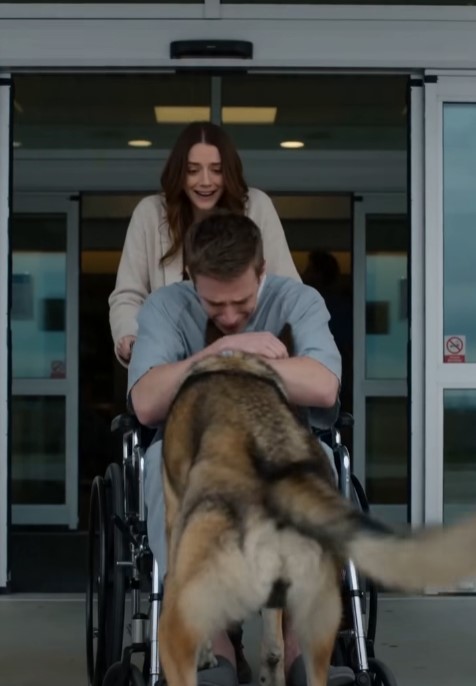
A Loyal Dog Waited Outside A Hospital For Months After Its Owner Disappeared — Then Someone Noticed.

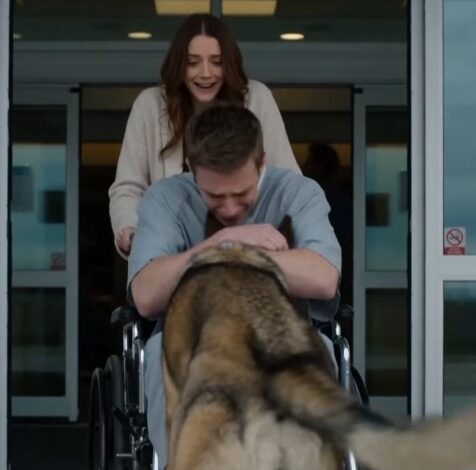
Few stories move people as deeply as the loyalty of a dog.
For generations, people across the world have shared accounts of dogs waiting for owners who never returned, guarding families in moments of danger, and remaining faithful through circumstances they could not possibly understand. These stories endure because they speak to something powerful: the bond between humans and animals can be far deeper than simple companionship.
One widely shared story tells of a dog who allegedly waited outside a hospital for months after being separated from his owner. The details vary depending on where the story appears, and many parts of it have not been independently verified. Because of that, it is best understood as a moving narrative about devotion rather than a confirmed historical event.
Still, the reason the story continues to touch so many people is clear.
At its center is a truth pet owners understand well: dogs can love with astonishing patience, trust, and emotional depth.
The story begins with an elderly man and his beloved dog. According to the account, the two had spent many years together, sharing the quiet routines that often become the heart of a relationship. Morning walks, peaceful afternoons, familiar footsteps, and simple companionship formed the rhythm of their days.
To others, the dog may have looked like just a pet.
To the old man, he was family.
Every morning, the dog reportedly waited for his owner to begin the day. He followed his movements, recognized his habits, and trusted the life they had built together. Their bond was not dramatic or loud. It was steady, familiar, and deeply rooted.
Then, one day, everything changed.
The man became seriously ill and traveled to a hospital for treatment. Before entering the building, he reportedly told his dog to stay outside and wait.
For the dog, it was a command he understood.
So he waited.
He stayed near the entrance, watching the doors with patient attention. People came and went. Cars pulled in and out. Nurses, visitors, doctors, and families passed by. But the one face the dog searched for never appeared.
Hours passed.
Then evening came.
Still, he waited.
According to the story, the elderly man died shortly after entering the hospital. The dog, unaware of what had happened, continued to believe his owner would return through the same doors.
That image—a loyal animal sitting outside a hospital, waiting for someone who could never come back—is what gives the story its emotional power.
Days reportedly turned into weeks.
Weeks became months.
Hospital workers began to notice the dog’s unwavering presence. Some accounts describe staff members offering him food, water, and shelter while watching his refusal to leave the place where he had last seen his owner. No matter how much time passed, he remained close to the entrance, as if faith alone could bring the man back.
Stories like this often remind readers of Hachikō, the famous Japanese dog whose loyalty became known around the world. Hachikō waited at a train station for years after his owner’s death, returning again and again to the place where they had once reunited each day.
Unlike many viral stories, Hachikō’s story is well documented. His devotion became a symbol of loyalty, inspiring books, films, statues, and generations of admirers.
The hospital dog story carries a similar emotional weight, even though its details are far less certain.
That uncertainty matters.
In the viral version of the story, one of the most dramatic moments comes months later, when a transplant recipient leaves the hospital. The dog allegedly approaches this person because the recipient had received the heart of the dog’s former owner.
It is a powerful scene.
It is also not supported by scientific evidence.
Dogs have extraordinary senses, especially smell. They can recognize familiar scents, voices, routines, and behaviors with remarkable accuracy. Many dogs can identify people after long separations and respond strongly to objects, clothing, and places associated with those they love.
But there is no reliable scientific evidence proving that a dog can recognize a transplanted human organ inside another person.
For that reason, this part of the story should be viewed as symbolic rather than factual.
Even so, the broader emotional message remains meaningful.
Dogs really do form deep attachments to humans. Animal behavior research has shown that dogs can experience stress when separated from trusted companions. Many display signs of grief or confusion after losing a person or animal they were close to. These changes may appear in their appetite, energy levels, sleep patterns, behavior, or willingness to interact with others.
That is why stories about loyal dogs feel believable, even when some details cannot be confirmed.
They are built on behaviors people have witnessed in real life.
A dog waiting by the door.
A dog refusing to leave a loved one’s belongings.
A dog searching for someone who is gone.
A dog grieving in a way that is quiet but unmistakable.
For many families, dogs are not simply animals living in the house. They are companions, protectors, comforters, and witnesses to everyday life. They are there during ordinary mornings, lonely evenings, joyful celebrations, and painful losses.
They offer affection without conditions.
They recognize sadness without explanation.
They create routines that make a home feel less empty.
This is why the image of a dog waiting outside a hospital resonates so strongly. Whether the story is entirely true, partly inspired by real events, or largely symbolic, it reflects emotions that many people understand.
Love does not always know when to stop waiting.
Loyalty does not always need proof.
And devotion, especially from an animal, can feel heartbreakingly pure.
The bond between humans and dogs stretches back thousands of years. Throughout history, dogs have served as companions, guardians, helpers, and friends. Modern science continues to explore why this relationship is so powerful, pointing to shared communication, emotional responsiveness, and the ability of dogs to read human behavior in ways few other animals can.
Yet science only explains part of it.
Anyone who has loved a dog knows there is something deeply personal about that connection.
It is found in the way a dog listens for familiar footsteps.
In the way they rest their head beside someone who is hurting.
In the way they remember routines, places, and people.
In the way they love without needing to understand everything.
The story of the waiting hospital dog continues to spread because it gives shape to something people want to believe—and something many have already experienced in their own lives.
That love can remain.
That loyalty can endure.
That even after loss, the bond between a person and a beloved animal can leave a lasting mark.
Readers should approach unverified viral stories with caution, especially when they include extraordinary claims. But caution does not erase the deeper truth these stories often represent.
Dogs are capable of remarkable devotion.
They can comfort, protect, grieve, and remember.
They can become part of a family in ways that last far beyond the years they are physically present.
Whether viewed as a viral tale, a symbolic story, or a reflection of real canine loyalty, the account of the dog outside the hospital continues to move people because it celebrates qualities we all admire: patience, faithfulness, kindness, and love.
In the end, the story is not only about a dog waiting at a hospital door.
It is about the relationships that change us.
The companions who stay.
The love that lingers.
And the quiet, extraordinary loyalty that makes dogs some of the most cherished friends humans will ever know.