I Took Care of My 85-Year-Old Neighbor for Her Inheritance, but She Left Me Nothing – The Next Morning, Her Lawyer Knocked and Said, ‘Actually, She Left You One Thing’

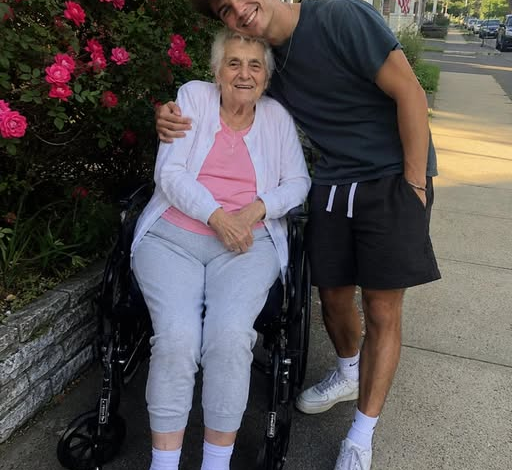
For most of his life, James survived by expecting very little from people.
That expectation — or lack of it — became its own kind of armor.
If you never believed anyone would stay, then abandonment hurt less.
If you never trusted promises, disappointment lost some of its power.
If you never imagined a future beyond next month’s rent, then failure could not steal dreams you never allowed yourself to build in the first place.
That was how James learned to live.
Carefully.
Temporarily.
Always prepared to leave.
He entered the foster care system before he was old enough to understand what the phrase even meant. His mother disappeared after giving birth, leaving behind only fragmented paperwork and a name nobody in the system ever spoke kindly. His father existed somewhere inside prison walls serving time for crimes James stopped asking about long ago because every answer only seemed to create more shame.
People always tell foster children things like:
“You’re strong.”
“You’re resilient.”
“You’ll overcome this.”
What they rarely admit is how exhausting it becomes to survive entirely on resilience.
By age twelve, James had already learned how to pack belongings quickly into trash bags because suitcases implied permanence. By fourteen, he could tell within minutes whether a foster home operated through kindness or control. By sixteen, he stopped decorating bedrooms entirely because decorating meant emotionally investing in places designed to remain temporary.
The hardest lesson came later:
understanding that independence and loneliness can begin feeling identical after enough years.
When James aged out of the system, nobody waited for him outside the facility with excitement or plans. No family reunion. No emotional homecoming. Just paperwork, two garbage bags full of clothes, and vague advice about “adult opportunities.”
So he drifted.
Small jobs.
Cheap apartments.
Temporary stability.
Eventually he ended up in a quiet town mostly because rent was low and nobody asked many questions there.
That was enough.
At least at first.
Joe’s Diner hired him almost accidentally.
One exhausted morning, James wandered inside asking whether they needed help while chaos exploded behind the counter during breakfast rush. One waitress had quit mid-shift screaming about rude customers and impossible schedules. Coffee burned somewhere near the kitchen while tickets piled endlessly beside the register.
Joe looked at James once and barked:
“You ever carried three plates at once?”
“No.”
“You got ten minutes to learn.”
That was the interview.
Joe himself looked intimidating enough to scare most people immediately:
massive shoulders,
permanent scowl,
voice like gravel grinding against concrete.
But underneath all of that lived a strange kind of decency James trusted almost instantly. Joe complained constantly yet quietly fed employees during double shifts. He insulted people affectionately instead of cruelly. He remembered birthdays while pretending not to care about them.
At night after closing, James sometimes stayed helping clean while Joe vented about suppliers, food prices, broken refrigerators, and customers requesting eggs cooked “medium-medium-well.”
“People invent nonsense just to feel special,” Joe muttered one evening while wiping counters.
And somehow those ordinary nights became the closest thing James ever experienced to belonging.
Then came Mrs. Rhode.
Every Tuesday and Thursday at exactly eight in the morning, the front bell jingled and she entered carrying sharp opinions and impossible standards like personal weapons.
The first time James waited on her, she studied his nametag critically.
“James,” she said slowly. “You look tired enough to collapse into my waffle.”
“Long week.”
She snorted.
“Try being eighty-five.”
That was their beginning.
After that, she always requested his section.
Not because she was sweet.
Mrs. Rhode was never sweet.
She criticized his posture.
Insulted his haircut.
Complained coffee arrived either “too hot” or “emotionally disappointing.”
“You ever smile, son?” she asked once.
“Sometimes.”
“I doubt it.”
But beneath the sarcasm lived attention.
Real attention.
She noticed when James looked exhausted.
Noticed when his hands shook slightly after long shifts.
Noticed when he skipped meals pretending not to be hungry.
Most people overlook struggling young men entirely unless they become dangerous or successful enough to matter publicly.
Mrs. Rhode saw him anyway.
That mattered more than James admitted even to himself.
One cold afternoon, while James carried groceries home after work, she called out from behind her fence.
“You live nearby, James?”
“Couple houses down.”
She narrowed her eyes thoughtfully.
“You want to make some decent money?”
James stopped immediately.
“Doing what?”
“Come inside. We’ll discuss terms.”
Inside her house, everything smelled faintly like tea leaves, old books, and lavender furniture polish. Family photographs lined shelves beside stacks of crossword puzzles and dusty records nobody played anymore.
Mrs. Rhode poured terrible tea and spoke bluntly.
“I’m dying.”
James nearly choked.
“Oh stop dramatizing,” she snapped. “I’m eighty-five, not immortal. The doctors give me maybe a few years if luck feels generous.”
Then she leaned forward carefully.
“I need help. Real help. Groceries. Medication. Repairs. Company sometimes, though don’t let it inflate your ego.”
“And in return?”
Her expression softened almost invisibly.
“When I’m gone, what’s mine becomes yours.”
James stared at her.
“You barely know me.”
“I know enough.”
Looking back later, James understood the moment mattered because it terrified them both equally.
Mrs. Rhode feared dying alone.
James feared trusting kindness.
Still, he shook her hand.
And gradually, what began as arrangement transformed quietly into family.
He drove her to appointments.
Sorted medications.
Fixed gutters and cabinet hinges.
She criticized every task relentlessly.
“You’re late.”
“It’s been four minutes.”
“Still late.”
Yet somehow, neither of them stopped showing up.
Slowly the emotional distance between them disappeared without discussion.
Dinner invitations replaced instructions.
Conversations replaced transactions.
Mrs. Rhode cooked horrifying meatloaf one evening so dry James nearly choked trying to swallow it.
“This is awful,” he said honestly.
“Then die hungry.”
They watched game shows together while she screamed answers at contestants through the television.
And for the first time in his life, James began speaking openly about things he normally buried:
foster homes,
abandonment,
the exhaustion of never belonging anywhere long enough to unpack emotionally.
One night Mrs. Rhode muted the television suddenly.
“You only think one month ahead,” she observed carefully. “Why?”
James shrugged.
“Feels safer.”
“Safe isn’t the same thing as living.”
The sentence unsettled him deeply because he knew she was right.
That winter she knitted him hideous green socks.
“I made these,” she announced proudly.
“They’re terrible.”
“So is your attitude.”
But James wore them constantly afterward.
Joe noticed the change first.
“You smile more lately,” he grunted one afternoon.
“Do not spread rumors.”
Joe laughed.
“Mrs. Rhode’s getting attached to you.”
James immediately denied it.
But secretly…
he was attached too.
Which made the morning he found her unbearable.
The house felt wrong immediately upon entering.
Too quiet.
Television still running.
Tea gone cold beside her chair.
And Mrs. Rhode sitting motionless beneath a blanket she no longer needed.
James knew instantly.
Still, he called her name anyway because grief makes people negotiate briefly with reality even after certainty arrives.
When he touched her hand, the coldness shattered him completely.
He collapsed beside her chair sobbing harder than he had since childhood.
Not because he lost promised money.
Because he lost someone who finally made him feel chosen.
The funeral passed in a blur afterward.
James stood near the back convinced he had no right grieving so deeply because technically he was “just helping her.” Yet his chest felt physically hollow watching strangers describe pieces of Mrs. Rhode they never truly knew.
Then came the will reading.
The lawyer announced everything methodically:
the house donated,
the savings divided between charities,
the jewelry left to her niece.
James sat frozen waiting for his name.
It never came.
By the time the lawyer closed the folder, humiliation burned hotter than grief.
Mrs. Rhode promised him everything.
And suddenly it seemed possible she had manipulated him all along.
Old fears returned instantly:
People leave.
People lie.
People use you.
James barely made it home before collapsing onto his bed still wearing work boots.
At first came anger.
Then embarrassment.
But underneath both waited something much worse:
heartbreak.
Because somewhere along the way, James stopped seeing Mrs. Rhode as obligation and started loving her like family.
And now even that felt stolen.
The next morning someone pounded on his door.
Mrs. Rhode’s lawyer stood outside holding a dented metal lunchbox.
“She left additional instructions,” he said quietly.
Inside sat an envelope in Mrs. Rhode’s shaky handwriting and a small metal key.
James’s hands trembled opening the letter.
James,
You’re probably furious right now.
Good. Anger means you cared enough to hurt.
I left the money and house elsewhere because money disappears and houses fall apart. I wanted to leave you something that could become a future instead of just temporary comfort.
Somewhere between grocery runs, awful dinners, and yelling at game shows, you became the son I found too late in life.
James physically dropped to his knees reading it.
Not because of wealth.
Because someone finally called him family intentionally.
Through tears, he kept reading.
You once told me you wanted to stay at the diner. So months ago, I approached Joe privately.
The key belongs there now.
Part ownership.
Mentorship.
A future.
I hope it gives you permission to dream bigger than survival.
James barely remembered leaving the apartment afterward.
One moment he was crying on the floor.
The next he was sprinting toward Joe’s Diner clutching the metal key tightly enough to hurt his hand.
Inside, the morning crowd had thinned.
Joe looked up from behind the counter immediately.
James held up the key.
“Is it true?”
Joe exhaled slowly before reaching beneath the register for a folder.
Inside waited legal documents:
ownership percentages,
financial agreements,
partnership papers.
All bearing James’s name.
Real.
Official.
Permanent.
James laughed and cried simultaneously, too emotionally shattered to feel embarrassed anymore.
Joe watched him carefully.
“She was proud of you,” he said quietly. “You know that, right?”
That sentence broke whatever composure remained.
Because all his life, James survived expecting temporary tolerance at best.
And now here was proof that someone saw permanence in him.
Capability.
Worth.
Not charity.
Belief.
Joe finally clapped one massive hand against his shoulder.
“All right,” he grunted. “Enough crying in my dining room. We open at five tomorrow morning.”
James wiped his eyes.
Joe smirked slightly.
“Hope you’re ready to learn how to run a diner, partner.”
And standing there beneath fluorescent lights smelling coffee, grease, and fresh bread, James realized Mrs. Rhode had understood something about him long before he did himself:
he never truly needed rescuing.
He needed someone to finally hand him a future sturdy enough to believe in.