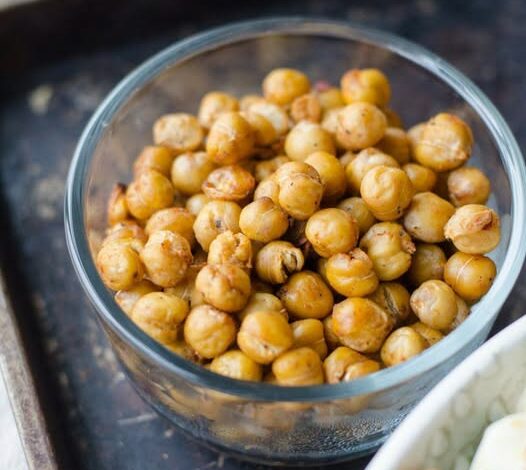
Chickpeas have been part of traditional diets around the world for centuries, long before they became a popular ingredient in modern health-focused recipes. Their lasting appeal comes not from dramatic promises or trendy marketing, but from something much simpler: they are nutritious, versatile, affordable, and capable of fitting easily into a balanced eating pattern.
One of the greatest strengths of chickpeas is their nutritional balance.
They provide complex carbohydrates that release energy gradually rather than causing the rapid spikes and crashes often associated with highly refined foods. Their naturally high fiber content supports digestion and helps people feel satisfied for longer after a meal, making them a filling addition to lunches, dinners, or snacks.
Chickpeas are also an excellent source of plant-based protein.
While they do not contain as much protein as many animal-based foods, they can contribute meaningfully to daily protein intake, particularly for people who enjoy vegetarian or plant-forward meals. When paired with whole grains such as brown rice, quinoa, or whole-grain bread, chickpeas help create meals that are both satisfying and nutritionally well-rounded.
Their nutritional value extends beyond protein and fiber.
Chickpeas contain important vitamins and minerals, including folate, iron, magnesium, phosphorus, potassium, and manganese. These nutrients support many normal body functions, including energy metabolism, muscle and nerve function, red blood cell production, and overall health.
For many people, replacing highly processed snacks or refined starches with chickpeas can contribute to a more balanced dietary pattern.
A salad topped with chickpeas, a bowl of homemade soup, roasted chickpeas for a crunchy snack, or hummus served with vegetables are simple ways to increase nutrient intake without relying on expensive specialty products.
Another practical advantage is their affordability.
Whether purchased dried or canned, chickpeas are often less expensive than many protein sources while remaining shelf-stable for long periods. This makes them an accessible option for families looking to prepare nutritious meals without significantly increasing grocery costs.
Even so, adding chickpeas to your diet is not always completely effortless.
Because they are naturally rich in fiber and certain carbohydrates that ferment in the digestive system, introducing large amounts too quickly may lead to bloating, gas, or abdominal discomfort for some people. These symptoms are usually temporary as the digestive system adjusts, but increasing intake gradually can make the transition more comfortable.
Proper preparation can also help.
If using dried chickpeas, soaking them before cooking and discarding the soaking water may reduce some compounds that contribute to digestive discomfort. Cooking them thoroughly until tender also improves both texture and digestibility.
For convenience, many people prepare larger batches at once.
Cooked chickpeas freeze well, allowing individual portions to be stored for future meals. This simple habit can make healthy cooking much easier on busy days, reducing the temptation to rely on highly processed convenience foods.
Like any food, chickpeas are not suitable for every situation.
People with certain digestive conditions may need to adjust the amount they consume or work with a healthcare professional or registered dietitian to determine what their bodies tolerate best. Likewise, individuals with kidney disease or other medical conditions that require specialized nutrition plans should seek personalized medical advice before making significant dietary changes.
It is also important to keep expectations realistic.
No single food can prevent disease, produce dramatic weight loss, or replace the benefits of an overall healthy lifestyle. Chickpeas work best as one part of a varied eating pattern that includes vegetables, fruits, whole grains, healthy fats, lean protein sources, regular physical activity, adequate sleep, and other healthy habits.
Their value lies in consistency rather than novelty.
They do not need elaborate recipes or expensive ingredients to be beneficial. A simple serving added to soups, grain bowls, curries, salads, or stews can quietly improve the nutritional quality of an everyday meal.
In a world filled with constantly changing nutrition trends, chickpeas stand out because they have never relied on hype. Their reputation has been built over generations through dependable nourishment, versatility, and practicality.
Rather than chasing the latest superfood, many people may find greater benefit in regularly including familiar, nutrient-rich foods like chickpeas as part of a balanced and enjoyable diet. Over time, those steady choices often contribute far more to long-term health than any short-lived dietary trend ever could.