Elinor Donahue is 88 now and she still looks incredible… Try not to smile when you see her now

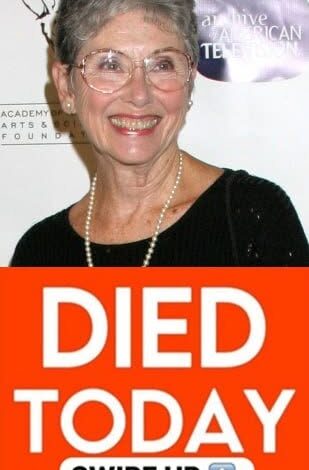
Elinor Donahue’s Remarkable Journey Through Generations of Television
Long before television audiences knew Elinor Donahue as the warm and dependable Betty Anderson, she was already growing up in front of the camera.
Born in Tacoma, Washington, on April 19, 1937, Donahue entered the entertainment world remarkably young. With show business already present in her childhood surroundings, performing soon became more than an interest—it became the beginning of a career that would stretch across more than six decades.
She made her film debut when she was only five years old.

Even as a child performer, Donahue possessed something difficult to teach. She appeared comfortable in front of the camera, delivering performances with an ease and sincerity that made audiences believe the characters she played.
Rather than becoming one of the many childhood performers who disappeared from Hollywood as they grew older, Donahue adapted.
That ability would become one of the defining qualities of her career.
As she moved from childhood roles into her teenage years, she continued developing her craft, gradually demonstrating that she possessed more than youthful charm. She could handle comedy, emotion, and the subtle details that made a character feel like a real person rather than simply someone reading lines from a script.
Then came the role that changed everything.
In 1954, Donahue joined Father Knows Best as Betty Anderson, the eldest daughter of the Anderson family.

The series became one of the defining family sitcoms of its era, presenting viewers with an idealized portrait of suburban American life built around family relationships, everyday problems, and the belief that disagreements could ultimately be resolved through understanding.
Betty quickly became an essential part of that formula.
Donahue portrayed her as intelligent, responsible, compassionate, and increasingly independent. She wasn’t simply the perfect daughter standing quietly in the background. Betty experienced the confusion, excitement, and emotional challenges of growing up, giving younger viewers someone they could recognize.
Donahue remained with the series until 1960.
By the time her run ended, Betty Anderson had made her nationally recognizable.
But success created another challenge.
How could an actress so closely associated with one beloved character convince audiences to see her as anyone else?
Donahue spent much of the rest of her career answering that question.
She refused to remain trapped inside the image that had made her famous.
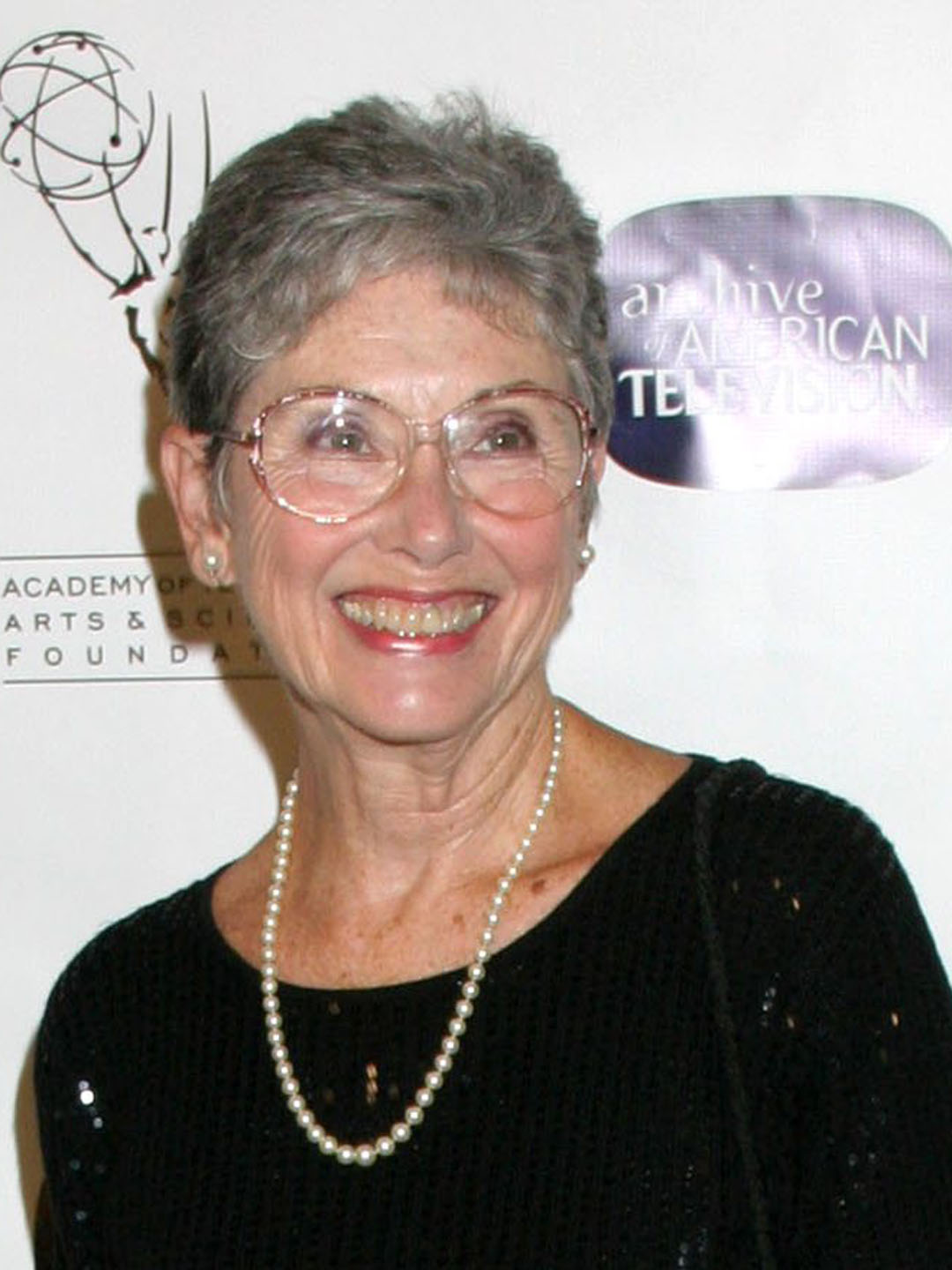
In 1959, she appeared in Girls Town, demonstrating that she could work in material considerably different from the comfortable suburban environment audiences associated with Father Knows Best.
Television, however, remained an especially important part of her professional life.
She later appeared on The Andy Griffith Show, entering another television world that would eventually become deeply embedded in American popular culture.
From there, her résumé continued expanding.
Donahue appeared in productions such as The Odd Couple and, decades later, Dr. Quinn, Medicine Woman. Each new role introduced her to viewers who might never have watched her earliest performances.
That longevity was no small achievement.
Television changed dramatically during Donahue’s career.
The industry evolved from the relatively simple family programs of the 1950s into increasingly diverse forms of comedy and drama. Acting styles changed. Audiences changed. Entire generations of performers arrived and disappeared.
Donahue kept working.
Part of her staying power came from her willingness to embrace supporting roles rather than constantly chasing the spotlight.
She could enter an established television series, create a believable character, and leave an impression without needing to dominate every scene.
Her performances were frequently understated, but that restraint became one of her strengths.
Instead of forcing emotion, she allowed it to emerge naturally.
Instead of demanding attention, she earned it.
Her career also extended beyond television.
One of her later film appearances came in the hugely successful 1990 romantic comedy Pretty Woman. By then, decades had passed since audiences first watched her as Betty Anderson.
Yet there she was, still working and adapting to a Hollywood landscape almost unrecognizable from the one she had entered as a little girl.
That ability to move between eras became an important part of her legacy.
Many performers become inseparable from one decade.
Donahue became familiar to several.
For older viewers, she will always evoke memories of Father Knows Best and television’s early family-sitcom era.
Others remember her from the countless guest appearances and supporting performances that followed.
Younger audiences may discover her through reruns, streaming services, classic television channels, or films produced decades after her career began.
Away from acting, Donahue has also been associated with charitable efforts and a reputation for warmth and professionalism.
That quieter side of her life complements the qualities audiences often saw in her performances: sincerity, steadiness, and an absence of unnecessary spectacle.
Perhaps that is why her work has endured.
Hollywood often celebrates reinvention through dramatic transformations.
Donahue’s career followed a different path.
Her evolution happened gradually.
A child actress became a teenage performer.
The teenager became one of television’s most recognizable daughters.
The sitcom star became a versatile working actress capable of appearing in comedy, drama, television, theater, and film.
And through every stage, she continued doing what had distinguished her from the beginning—making characters feel human.
More than six decades in entertainment cannot be explained by nostalgia alone.
Careers of that length require adaptability, discipline, patience, and the ability to accept that success changes shape over time.
Donahue demonstrated all of them.
Her story also offers an important lesson about what longevity really means.
It isn’t simply remaining famous.
It is continuing to find purpose in your craft after the biggest applause has faded.
It is adapting when the industry changes around you.
It is being willing to become part of someone else’s story rather than always insisting on being its center.
From a five-year-old appearing before a camera to a familiar face recognized by generations of television viewers, Elinor Donahue built something far more enduring than a single famous role.
She built a career.
And while Betty Anderson may always hold a special place in television history, Donahue’s larger legacy comes from everything she accomplished after proving that Father Knows Best was never the end of her story.
It was only the chapter that introduced millions of people to her.