I Married the Man Who Bullied Me in High School Because He Swore He’d Changed – but on Our Wedding Night, He Said, “Finally… I’m Ready to Tell You the Truth”

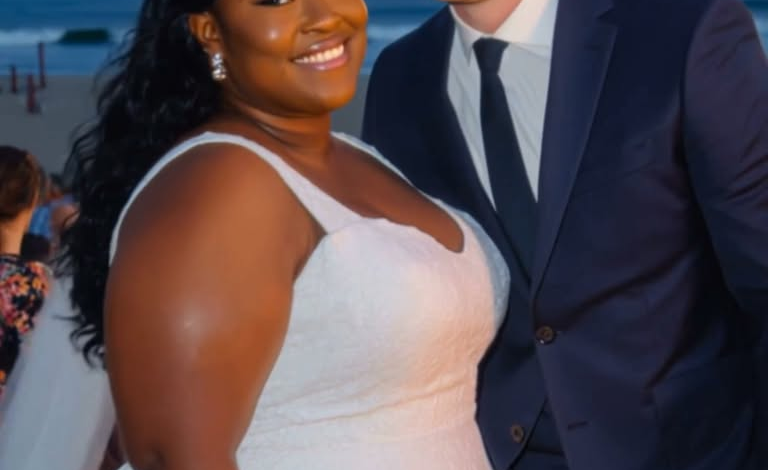
I expected to fall apart after the wedding.
Instead, what frightened me most was how calm I felt.
The music had faded, the guests had gone home, and I stood alone in the bathroom, slowly wiping away the last traces of makeup from my face. My wedding dress hung loose from one shoulder after I’d unzipped the back halfway, and the room carried the soft scent of jasmine candles mixed with vanilla lotion.
For the first time in years, I wasn’t afraid of being alone.
I was simply waiting.
A gentle knock interrupted the silence.
“Tara?” Jess called through the door. “Everything okay in there?”
“I’m fine,” I answered. “Just trying to let today sink in.”
She hesitated.
“I’ll be downstairs if you need anything. Don’t wrestle with that dress by yourself.”
A smile touched my lips as I listened to her footsteps disappear.
Jess had hosted the wedding in her backyard beneath the enormous fig tree that had witnessed birthdays, heartbreaks, celebrations, and late-night conversations over the years. It wasn’t luxurious, but it felt honest.
That mattered.
Jess had never hidden how she felt about Ryan.
“Maybe people can change,” she’d told me countless times. “But I’ll believe it when I see it.”
She wasn’t trying to ruin my happiness. She was protecting me.
Because Ryan wasn’t just another ex-boyfriend from my past.
He was the reason I spent most of high school believing my voice didn’t deserve to be heard.
He never shoved me into lockers or threatened me outright. His cruelty was quieter than that.
It lived inside passing comments, carefully timed jokes, and tiny humiliations that seemed harmless to everyone else.
His favorite was the nickname.
“Whispers.”
He’d grin every time he said it.
“There goes Miss Whispers.”
People laughed because he laughed. Eventually they stopped using my real name altogether.
I laughed too.
Not because it was funny.
Because pretending it didn’t hurt seemed easier than admitting it did.
Years passed before I saw him again.
I was thirty-two, standing in line at a neighborhood coffee shop, when my body recognized him before my mind did.
I almost walked away.
Then I heard my name.
“Tara?”
I turned.
He looked older, tired somehow, holding two coffees in trembling hands.
“I know you probably hate seeing me,” he said quietly. “But I’ve wanted to apologize for years.”
I folded my arms.
“You were horrible to me.”
“I know.”
“No excuses?”
He shook his head.
“None.”
There was no arrogance left in his face. No smirk. No performance.
Only regret.
That conversation didn’t erase anything.
Neither did the next one.
Or the one after that.
But somehow coffee became dinner, dinner became long walks, and those awkward conversations slowly became trust.
Ryan never avoided talking about who he’d been.
He told me about therapy.
About four years of sobriety.
About volunteering with teenagers because he wanted to stop someone else from becoming the boy he’d once been.
“I’m not asking you to forgive me,” he said one evening. “I just don’t want to spend the rest of my life pretending that version of me never existed.”
Jess remained skeptical.
After meeting him, she cornered me in the kitchen.
“Don’t become the ending to his redemption story.”
“I’m not.”
“Promise me if you see even one glimpse of the old Ryan…”
“I’ll leave.”
She searched my face before nodding.
“I just don’t want you getting hurt again.”
A year and a half later, Ryan proposed inside his car while rain tapped gently against the windshield.
“I know I don’t deserve you,” he whispered. “But I’ll spend every day earning your trust if you’ll let me.”
I believed him.
Not because I’d forgotten.
Because I believed people could become someone new.
Now, only hours after becoming husband and wife, I stepped into the bedroom expecting laughter, relief, maybe exhaustion.
Instead Ryan sat motionless on the edge of the bed.
His face was pale.
His hands shook.
“Ryan?”
He looked up slowly.
“I need to tell you something.”
Every instinct inside me tightened.
“What is it?”
He swallowed.
“Do you remember the rumor during senior year? The one that made you stop eating lunch with everyone?”
I froze.
“How could I forget?”
His eyes filled with shame.
“I saw what happened before it started.”
The room seemed to shrink.
“What do you mean?”
“I saw your boyfriend corner you behind the gym.”
The memory crashed into me instantly.
I remembered reporting what happened to the guidance counselor in a voice barely above a whisper.
She promised she’d handle it.
Nothing ever changed.
Except suddenly everyone called me Whispers.
Ryan lowered his head.
“I knew where it came from.”
My heartbeat pounded in my ears.
“You knew?”
“I panicked.”
He spoke so quietly I almost couldn’t hear him.
“I watched everything happen. I was scared he’d turn on me if I spoke up. When people started joking about how softly you talked… I joined them.”
His voice cracked.
“I thought if everyone focused on that nickname, maybe they’d stop spreading worse rumors.”
I stared at him.
“You thought humiliating me would protect me?”
“I wasn’t thinking.”
“No,” I whispered. “You weren’t.”
The silence between us became unbearable.
“I’ve hated myself for that every day since.”
I wanted to believe him.
But another question wouldn’t leave me alone.
“Why tell me now?”
He rubbed his forehead.
“Because there’s something else.”
Every word that followed felt heavier than the last.
“I’ve written a memoir.”
I blinked.
“What?”
“It started in therapy. Eventually a publisher accepted it.”
The air disappeared from the room.
“You wrote about me.”
“I changed your name. I changed the town. I never described you directly.”
“But you still used my story.”
“I wrote about my guilt.”
“You wrote about my pain.”
His shoulders collapsed.
“I never wanted to exploit you.”
“But you never asked.”
Those words echoed between us.
“I didn’t even know I was part of your book.”
“I planned to tell you.”
“When?”
“I… I don’t know.”
That answer hurt more than anything else.
Because suddenly every apology, every promise, every loving moment we’d shared carried a question I couldn’t answer.
How much of it had been love…
And how much had been atonement?
“I love you,” he whispered desperately.
“I believe you do.”
My voice remained calm.
“But love doesn’t erase consent.”
I stepped away before he could respond.
Later that night I lay awake in the guest room while Jess quietly sat beside me without asking questions.
After several minutes she reached over and squeezed my hand.
“You don’t have to explain.”
Tears finally came.
“I thought I knew everything.”
“You knew the man he wanted to be,” she said softly.
“Maybe.”
I stared at the light spilling beneath the bedroom door across the hallway.
“But tonight I met the part of him that still believed he could make decisions about my life without me.”
Jess didn’t speak again.
She didn’t need to.
For years I believed silence meant weakness.
That it meant surrender.
But lying there in the stillness, I realized silence could also become the space where truth finally settles.
For the first time since high school, I wasn’t hearing everyone else’s version of who I was.
I heard my own voice.
Clear.
Steady.
No longer whispering.
And whatever came next—whether my marriage survived or ended—I knew one thing with absolute certainty.
This time, no one else would get to write my story.