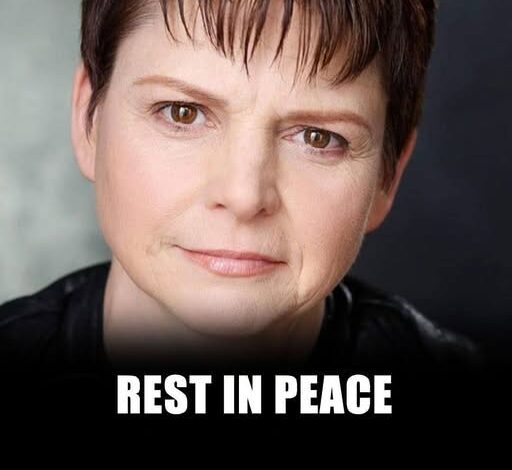
Wenne Alton Davis Came to New York With a Dream. She Left Behind Something Even Greater.
She arrived in New York carrying little more than hope.
One suitcase.
A handful of phone numbers carefully written in a notebook.
Enough money to survive if she stretched every dollar, skipped unnecessary expenses, and learned how to make each paycheck last just a little longer than it should.
Like countless dreamers before her, Wenne Alton Davis came to the city believing that somewhere among the crowded sidewalks, flashing lights, and endless possibilities, there was room for her story too.
Not an overnight success story.
Not fame.
Not luxury.
Just the chance to build a life larger than the one she had left behind.
For Wenne, that possibility was enough.
During the day, she worked at JFK Airport, navigating terminals filled with travelers rushing toward destinations, reunions, opportunities, and goodbyes. Airports are strange places. They contain every human emotion at once—hope, excitement, grief, anxiety, relief, anticipation, and heartbreak.
Most people pass through without noticing the workers who keep everything running.
Wenne noticed everyone.
She watched the exhausted traveler dragging a suitcase after a delayed flight. She noticed the nervous first-time flyer clutching a boarding pass too tightly. She saw families embracing after months apart and couples saying goodbye before departures.
Without realizing it, she was studying people.
For an actor, observation is its own kind of education.
Every glance, every gesture, every conversation becomes material.
Every stranger carries a story.
And New York offered an endless supply of them.
When her shifts ended, Wenne chased another dream.
She searched for stage time wherever she could find it.
Small comedy clubs.
Back rooms above bars.
Open-mic nights where audiences sometimes paid more attention to their drinks than the performers standing in front of them.
Some nights were discouraging.
Some nights felt humiliating.
Sometimes jokes landed.
Sometimes they fell flat.
Sometimes a room remained silent.
But occasionally, one person laughed.
One person connected.
One stranger understood what she was trying to do.
And that was enough to keep going.
Artists rarely survive on certainty.
They survive on moments.
Tiny moments that whisper, “Don’t quit yet.”
Comedy gave Wenne confidence.
Acting gave her purpose.
Comedy allowed her to speak.
Acting allowed her to become someone else.
To step into lives different from her own.
To explore emotions, experiences, and stories through another person’s eyes.
Little by little, people in the industry began to notice something special about her.
It wasn’t loud.
It wasn’t flashy.
It wasn’t the kind of charisma that demands attention the second someone enters a room.
It was something quieter.
Something more difficult to teach.
Presence.
Wenne became the kind of performer audiences trusted instantly.
The nurse whose brief scene somehow felt unforgettable.
The neighbor who appeared for only a minute but made the entire world of a show feel real.
The friend, coworker, teacher, or stranger who seemed authentic because she understood something important:
Every person matters.
Even if they only appear for a moment.
Character actors rarely dominate headlines.
Yet they often become the people audiences remember.
They build the emotional foundation beneath every story.
They make fictional worlds feel lived-in rather than manufactured.
They remind viewers that life is made up not only of dramatic speeches and major events but of ordinary moments—small acts of kindness, brief conversations, tired smiles, and familiar faces.
Wenne understood that instinctively.
She treated every role with respect because she believed every character carried a life worth honoring.
That same philosophy shaped the way she treated people offscreen.
Those who knew her rarely began stories about her career by listing acting credits.
Instead, they talked about her kindness.
They remembered the messages she sent after difficult weeks.
The phone calls she made just to check in.
The birthdays she never forgot.
The way she asked questions and genuinely listened to the answers.
The way she remembered names.
The way she made people feel seen.
It wasn’t performative.
It wasn’t strategic.
It wasn’t something she turned on when others were watching.
It was simply who she was.
Perhaps that compassion came from understanding struggle herself.
New York can be inspiring.
But it can also be indifferent.
The city tests people constantly.
It asks them to keep showing up despite rejection, disappointment, loneliness, exhaustion, and uncertainty.
Some people become hardened by that experience.
Wenne seemed to become softer.
She understood what it felt like to need encouragement.
And because she knew that feeling, she gave encouragement freely.
Then came Monday night.
A night that began like countless others.
Ordinary.
Routine.
Unremarkable.
That is often how tragedy arrives.
Not with warning.
Not with preparation.
Not with dramatic signs that something life-changing is about to happen.
Just another evening.
Another drive.
Another trip home.
Another set of plans waiting for tomorrow.
Then everything changes.
In the aftermath came the familiar machinery of sudden loss.
Emergency responders.
Police reports.
Hospital procedures.
Official statements.
Paperwork.
Questions no family ever wants to answer.
The cold efficiency of systems designed to process what human hearts cannot.
Meanwhile, New York kept moving.
Subways roared beneath the streets.
Restaurants filled with customers.
Traffic lights changed.
People hurried to appointments.
Taxis raced through intersections.
The city continued exactly as it always had.
Cities do not stop for grief.
Even when those grieving wish they would.
For those who loved Wenne, the shock arrived in waves.
First disbelief.
Then phone calls.
Then silence.
Then tears.
Then memories.
The human mind searches desperately for ways to understand loss.
It reaches for old text messages.
Saved voicemails.
Photographs.
Inside jokes.
Anything that still carries a trace of the person who is gone.
Friends discovered how deeply Wenne had woven herself into their everyday lives.
The reassuring text before a difficult meeting.
The joke after a bad day.
The unexpected check-in message.
The small gestures that rarely make headlines but ultimately become the things people miss most.
Because after someone dies, what remains isn’t usually their résumé.
It isn’t their achievements.
It isn’t the awards or recognition.
What remains are the emotional fingerprints they left on the lives around them.
That is the true measure of a person.
And Wenne left many.
The streets she walked still exist.
The airport terminals remain crowded.
The comedy clubs still host performers chasing impossible dreams.
The casting offices continue searching for talent.
The city keeps moving forward.
But for those who knew her, there are moments when time seems to pause.
A familiar street corner.
A favorite restaurant.
A message thread that suddenly ends.
A memory that arrives without warning.
And for a brief moment, she is there again.
Laughing.
Talking.
Encouraging.
Showing up exactly when someone needs her.
Actors spend their careers learning where to stand, when to enter, and how to make a scene feel real.
Memory works in much the same way.
In the hearts of those who loved her, Wenne continues making entrances.
Walking through doorways.
Appearing in conversations.
Returning through stories.
Showing up whenever someone remembers her kindness.
She remains vivid not because of the tragedy that ended her life, but because of the life she lived before it.
The young woman with the suitcase.
The airport worker studying strangers.
The performer chasing stage time.
The actress earning every opportunity.
The friend who checked in.
The colleague who cared.
The woman who made people feel less alone.
She came to New York hoping to become part of its story.
She succeeded.
And even now, somewhere in that city, someone is probably telling a story about her.
Perhaps they are smiling while they tell it.
Perhaps they are fighting back tears.
Perhaps they are remembering the way she made a difficult day feel lighter.
And for a moment, through memory alone, Wenne Alton Davis steps back into the room.
Right on cue.