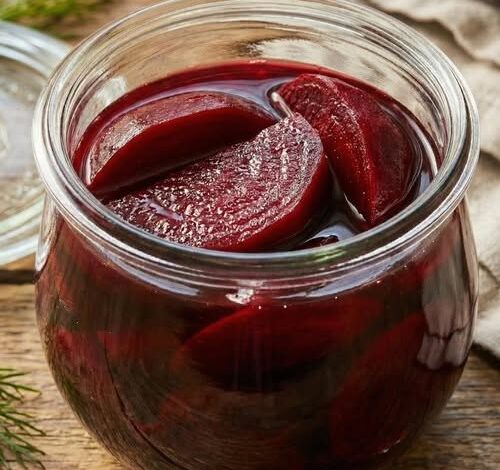
That deep red vegetable on your plate may start affecting your body sooner than you think.
Beets don’t look particularly remarkable from the outside. They’re earthy, inexpensive, and easy to overlook beside more fashionable so-called superfoods. Yet beneath their dark red-purple color is a combination of naturally occurring nitrates, fiber, vitamins, minerals, and plant compounds that can support several important functions in the body.
One of the most interesting effects begins with circulation.
Beets are naturally rich in dietary nitrates. After you eat them, your body can convert those nitrates through a series of steps into nitric oxide, a molecule involved in regulating blood-vessel function.
Nitric oxide helps blood vessels relax and widen, a process known as vasodilation. When vessels relax, blood can flow more easily through them.
That matters because blood carries oxygen and nutrients throughout the body.
This nitrate-to-nitric-oxide pathway is one reason beets and beetroot juice have attracted so much attention in research involving blood pressure and exercise performance. The effect isn’t magical, and responses vary between individuals, but consuming nitrate-rich foods may temporarily support vascular function.
Athletes have become especially interested in this.
During exercise, muscles need oxygen. Improving the efficiency with which the cardiovascular system supplies working muscles can potentially influence endurance and exercise tolerance. That’s why beetroot products sometimes appear in pre-workout nutrition.
But you certainly don’t need to be an athlete to appreciate healthy circulation.
As people age, maintaining cardiovascular health becomes increasingly important. Regular physical activity, adequate sleep, avoiding tobacco, managing stress, and eating a balanced diet remain central to that goal. Vegetables such as beets can fit naturally into that broader pattern.
Beets bring something else to the table that beet juice doesn’t provide in the same quantity: fiber.
Whole beets contain dietary fiber, which supports normal digestive function.
Fiber adds bulk to stool and helps promote regular bowel movements. Certain fibers can also be fermented by microorganisms living in the gut, contributing to the environment that supports a diverse intestinal microbiome.
Fiber also changes how a meal behaves.
When carbohydrate-containing foods are eaten in their whole form with fiber intact, digestion and absorption generally occur differently than when those foods are consumed as strained juices.
That’s one reason whole beets and beet juice shouldn’t be considered nutritionally identical.
Juice can provide concentrated nitrate and other nutrients, but much of the original fiber is removed. For someone thinking about fullness or blood-sugar management, whole beets may therefore offer advantages.
Then there’s the color.
The striking pigment in red beets comes largely from compounds called betalains.
These plant pigments have antioxidant properties and have been studied for their potential roles in helping the body respond to oxidative stress.
Oxidative stress occurs when the balance between reactive molecules and the body’s antioxidant defenses becomes disrupted. It’s a normal part of biology, but persistent excessive oxidative stress is associated with numerous health problems.
That doesn’t mean eating beets will somehow “clean” your body.
Claims that one particular food can dramatically detoxify the body tend to oversimplify what actually happens inside us.
Your liver, kidneys, lungs, digestive system, and other organs already perform sophisticated processes for handling waste products and potentially harmful substances.
No beet smoothie replaces those systems.
What nutritious foods can do is provide nutrients and plant compounds that support normal physiological function as part of an overall healthy diet.
Beets also supply folate, an essential B vitamin involved in processes such as DNA synthesis and normal cell division. They contain potassium and manganese as well, along with smaller amounts of several other nutrients.
Together, these qualities make beets nutritionally useful without requiring exaggerated promises.
There are, however, a few things worth knowing before dramatically increasing your intake.
First, don’t panic if you visit the bathroom and see red.
Some people experience beeturia, in which urine becomes pink or reddish after eating beets. Beet pigments can also change stool color.
The effect can look alarming if you aren’t expecting it.
Although beet-related discoloration itself is generally harmless, unexplained blood-colored urine or stool shouldn’t automatically be blamed on yesterday’s dinner—particularly if it persists or occurs with other symptoms.
Another consideration involves kidney stones.
Beets contain oxalates. People who have been advised to restrict high-oxalate foods because of certain types of kidney stones may need to be more thoughtful about how much beetroot they consume.
Beetroot juice also deserves some perspective.
Because juicing removes much of the fiber while allowing someone to consume a larger amount relatively quickly, drinking a large glass isn’t equivalent to eating a modest serving of whole roasted beets.
People managing blood sugar, blood pressure, kidney conditions, or other medical concerns should consider their individual dietary needs rather than treating concentrated beet products as medicine.
For most people, though, enjoying ordinary portions of beets as part of a varied diet doesn’t require turning nutrition into a science experiment.
Roast them until their natural sweetness develops.
Steam them and serve them alongside dinner.
Grate raw beet into a salad.
Add cooked beet to soups.
Blend a moderate amount into a smoothie.
The preparation matters less than finding a form you genuinely enjoy enough to eat again.
And that leads to the most important point about beets.
Their greatest value probably isn’t a dramatic transformation you’ll notice after one serving.
Nutrition rarely works that way.
The meaningful effects of diet usually come from patterns repeated over months and years.
One serving of vegetables cannot compensate for an otherwise poor diet, just as one indulgent meal cannot destroy an otherwise healthy one.
Beets become useful when they’re one part of a larger habit: more vegetables, more whole foods, adequate fiber, varied sources of nutrients, and meals you can realistically maintain.
Over time, those choices can support cardiovascular health, digestion, energy metabolism, and general well-being.
So beets don’t need to be a miracle food.
They’re something more practical.
They’re a nutrient-rich vegetable with naturally occurring nitrates that can support nitric-oxide production, fiber that benefits digestion, distinctive antioxidant pigments, and several useful vitamins and minerals.
No detox miracle.
No overnight cure.
No extraordinary promise required.
Just good food doing what good food does best—quietly giving your body useful materials to work with, one meal at a time.