The Cruel In-Laws Who Mocked His Height For Years And The Shocking Way He Responded When They Begged For Twenty Thousand Dollars!

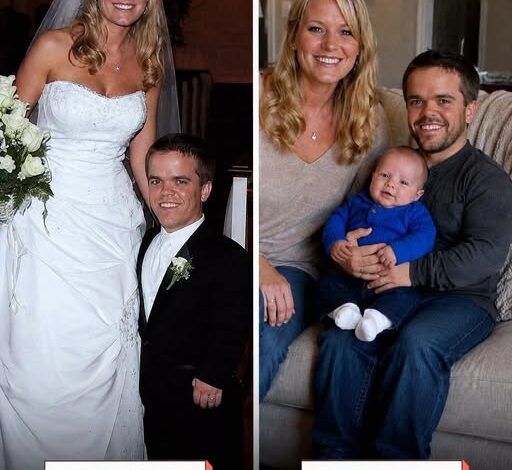
For twelve years, I kept believing the next holiday would be different.
The next birthday.
The next anniversary.
The next family dinner.
Surely, I told myself, there would come a moment when my parents would finally stop seeing my husband as someone to tolerate and begin seeing the extraordinary man I had fallen in love with.
That moment never came.
Instead, every gathering followed the same familiar pattern.
The jokes arrived first.
Always disguised as harmless teasing.
Always delivered with a smile that made everyone else feel awkward enough to laugh politely.
They mocked the way Jordan dressed.
The work he loved.
His hobbies.
His quiet nature.
His kindness.
If he succeeded, they dismissed it as luck.
If he remained silent, they called him strange.
If he answered confidently, they accused him of showing off.
Nothing he did was ever enough.
The hardest part wasn’t the insults themselves.
It was how effortlessly my parents wrapped them in the language of tradition.
“We’re only joking.”
“That’s how this family shows affection.”
“You’re too sensitive.”
For years, I wanted desperately to believe them.
It was easier than admitting the truth.
This wasn’t humor.
It was contempt disguised as familiarity.
Jordan never argued.
He never humiliated them in return.
He simply smiled, changed the subject, and continued treating them with the same quiet respect they refused to offer him.
Sometimes that patience frustrated me.
“Why don’t you ever defend yourself?” I asked him once after another miserable Christmas dinner.
He shrugged gently.
“I don’t need their permission to know who I am.”
I admired that answer.
I also hated it.
Because I still wanted them to approve.
Not for his sake.
For mine.
I wanted my parents to love the man I loved.
I spent years trying to earn a blessing that should never have required earning.
Then everything changed.
The business my parents had spent decades building collapsed almost overnight.
Investments failed.
Creditors called daily.
Properties were sold.
The confidence that had once filled every room disappeared, replaced by panic and disbelief.
For the first time in their lives, they needed help.
They came to our house on a rainy afternoon.
Not with apologies.
Not with reflection.
With requests.
My father cleared his throat.
“We need a loan.”
No acknowledgment of the years.
No mention of Jordan.
No recognition of the countless times they had made him feel unwelcome.
Just expectation.
As though nothing had happened.
I waited for Jordan to refuse.
Instead, he quietly asked them to sit down.
He listened without interruption.
He asked thoughtful questions.
When they finished explaining, he opened a folder.
“I can help.”
My parents looked visibly relieved.
Then he continued.
“But I have one condition.”
My father nodded quickly.
“Anything.”
Jordan smiled politely.
“I’d like you to spend one week volunteering at the community center.”
My mother frowned.
“What community center?”
“The one I help run.”
It served adults with developmental disabilities.
Many of the volunteers and participants were people my parents had spent years speaking about with quiet condescension.
Jordan’s request wasn’t punishment.
It wasn’t humiliation.
It was perspective.
“I only ask that you spend one week there,” he said calmly.
“Meet the people.”
“Work beside them.”
“Get to know them.”
“After that, the loan is yours.”
Silence settled over the room.
My father stared at him.
“You’re serious.”
“Completely.”
My mother laughed once.
A short, disbelieving laugh.
“You expect us to do… that?”
“I expect nothing,” Jordan replied.
“It’s simply the condition.”
Their expressions hardened immediately.
“This is revenge.”
“No,” Jordan said softly.
“It’s an invitation.”
“You’ve spent years making assumptions about people you’ve never taken the time to know.”
“I thought perhaps this could change that.”
Neither of them even considered it.
Not for an hour.
Not for a day.
Certainly not for a week.
My father pushed back his chair.
“We’re not humiliating ourselves.”
Jordan looked genuinely saddened.
“I never asked you to.”
Then I understood.
The money had never been the real test.
The week had.
They weren’t refusing because it was difficult.
They were refusing because accepting would require acknowledging the humanity of people they had always looked down upon.
It wasn’t inconvenience.
It was pride.
They stood to leave.
My mother paused at the doorway.
“I can’t believe you’d choose strangers over family.”
Jordan answered before I could.
“I didn’t.”
“I chose respect.”
They left without another word.
The check remained inside the folder where it had been from the beginning.
Untouched.
After the front door closed, neither of us spoke for several minutes.
Finally, I looked at my husband.
“I’m sorry.”
He smiled gently.
“You’ve apologized for them your entire life.”
He reached for my hand.
“You don’t have to anymore.”
Something inside me finally broke free.
For years, I had believed reconciliation depended on my trying harder.
Explaining better.
Keeping the peace.
Making excuses.
Bridging impossible distances.
That afternoon showed me the truth.
Some relationships don’t fail because love disappears.
They fail because respect never arrives.
My parents hadn’t been embarrassed by the way they treated Jordan.
They were embarrassed that the person they had spent years belittling had become the one capable of helping them.
Even then, they would rather walk away than spend a single week challenging their own assumptions.
It wasn’t money they refused.
It was growth.
Months later, I heard they had found another solution.
Life moved on.
So did we.
Sometimes people ask whether I regret letting that relationship fade.
I don’t.
Because what ended that day wasn’t a family.
It was an endless audition.
Years spent hoping that if I loved enough, explained enough, forgave enough, my parents would finally offer the acceptance I had been chasing since childhood.
They never did.
And perhaps they never could.
Standing beside Jordan, I realized something far more valuable than approval.
Real strength isn’t measured by how loudly someone demands respect.
It’s measured by how quietly they continue offering it, even when it isn’t returned.
I didn’t lose my parents that afternoon.
I lost the illusion that I could earn a love built on conditions.
In its place, I found something infinitely stronger.
A marriage grounded in dignity.
A partner whose compassion never required surrendering his self-respect.
And the peace that comes when you finally choose mutual respect over shared blood, honesty over obligation, and a life built on genuine love instead of endless permission to belong.