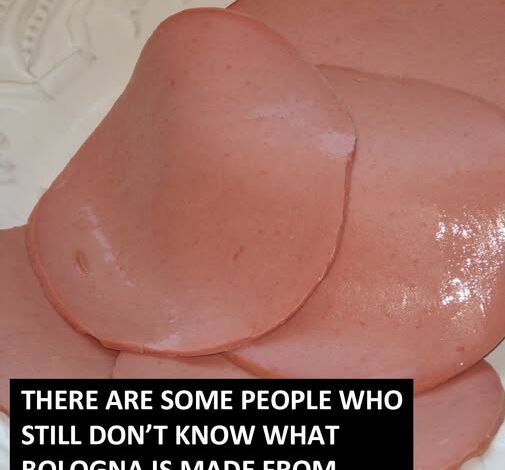
Bologna has spent decades trapped between nostalgia and suspicion. For some people, it’s childhood lunches, white bread sandwiches, and the unmistakable smell of fried bologna curling in a hot pan. For others, it’s the punchline of every processed-food joke ever made — a mysterious pink meat people eat while pretending not to think too hard about what’s actually inside it.
That tension is exactly why bologna fascinates people so much.
It sits in a strange cultural category: widely consumed, heavily mocked, and persistently misunderstood.
The most common myth surrounding bologna is that it’s made from horrifying scraps no reasonable person would knowingly eat — beaks, hooves, eyeballs, or whatever other urban legends get recycled online every few years. The product’s smooth texture and uniform appearance only deepen suspicion because it doesn’t resemble “real meat” the way a steak or roast does. People look at a perfectly round slice of bologna and instinctively imagine industrial mystery rather than traditional food preparation.
But the reality is far less dramatic.
Modern bologna is typically made from beef, pork, chicken, or some blend of those meats, combined with fat, spices, curing agents, and seasonings before being finely ground into a smooth emulsion. The mixture is then stuffed into casings — either natural or synthetic — cooked thoroughly, and often lightly smoked to develop flavor.
In other words, bologna is not some bizarre modern invention.
It’s essentially a highly processed sausage.
And sausage-making itself is ancient.
Long before refrigeration existed, cultures around the world developed ways to preserve meat efficiently by grinding, seasoning, curing, smoking, and stuffing it into casings. Bologna belongs to that broader tradition. Its roots trace back to mortadella, a celebrated Italian sausage originating in Bologna, Italy, where the product was treated not as cheap filler food but as culinary craftsmanship.
Authentic mortadella still carries that old-world identity proudly today. Unlike American bologna’s completely smooth consistency, traditional mortadella contains visible cubes of pork fat, whole peppercorns, and sometimes pistachios folded throughout the meat. It’s richer, more textured, and more closely associated with charcuterie than lunchboxes.
American bologna evolved differently.
Mass production reshaped it into something streamlined, inexpensive, and remarkably consistent. Food manufacturers prioritized shelf life, affordability, and texture uniformity because bologna became associated with quick sandwiches, school lunches, diners, and accessible comfort food rather than artisanal sausage traditions.
That transformation changed public perception too.
Mortadella sounds sophisticated.
Bologna sounds suspicious.
Yet structurally, they share common ancestry.
What confuses many people is the distinction between “processed” and “dangerous.” Bologna is undeniably processed food. The meat is emulsified heavily, meaning it’s blended into a paste-like consistency along with seasonings and fat. Sodium levels are often high. Preservatives and curing agents contribute to flavor, color, and shelf stability. Nutritionally, it’s not something most doctors would recommend eating daily in large quantities.
But “processed” does not automatically mean horrifying.
Modern food regulations in countries like the United States impose strict standards on what can legally be included in commercially sold meats. Despite internet horror stories, mainstream bologna producers are generally using standard cuts of meat and fat rather than the grotesque scraps people imagine. Consumer expectations also matter enormously now. Food companies know modern buyers inspect labels closely and react strongly to anything perceived as low quality or unsafe.
The nightmare imagery survives mostly because bologna occupies an awkward psychological space in modern culture.
People enjoy it privately while mocking it publicly.
That contradiction says something interesting about comfort food itself. Bologna isn’t usually eaten for prestige. Nobody serves it at luxury restaurants to impress guests. It belongs to ordinary kitchens, gas station sandwiches, childhood memories, and inexpensive meals assembled quickly between work and exhaustion.
Foods associated with working-class practicality often become targets of cultural snobbery eventually.
Yet they endure anyway because comfort frequently matters more than status.
Fried bologna sandwiches remain beloved in parts of the American South and Midwest precisely because they’re familiar. The smell triggers memory. So does the texture. So does the simplicity. People may joke about bologna endlessly while still buying it regularly because emotional attachment often outweighs culinary sophistication.
And perhaps that’s the real story hidden underneath all the myths.
Bologna survives not because people believe it’s healthy or elegant, but because it occupies a deeply familiar emotional space in many lives. It’s school cafeterias. Packed lunches. Cheap meals during difficult financial years. Midnight snacks. Childhood kitchens with parents trying to stretch groceries a little farther.
Mocking it has almost become part of consuming it.
Still, reading the label reveals the truth more clearly than internet rumors ever will. Most commercial bologna contains recognizable ingredients: meat, fat, spices, salt, sweeteners, preservatives, and smoke flavoring. Not magical nutrition. Not toxic mystery sludge either.
Just processed sausage engineered for affordability, consistency, and convenience.
And maybe that’s why bologna continues fascinating people despite all the jokes.
Because it represents something larger than itself: the uneasy relationship modern consumers have with industrial food production. People want convenience but distrust the systems creating it. They crave inexpensive comfort while fearing hidden compromises. Bologna becomes an easy symbol for those anxieties because its smooth, uniform appearance feels disconnected from the farm-to-table imagery people prefer imagining about meat.
Yet in reality, it’s simply a descendant of centuries-old preservation traditions reshaped by mass manufacturing and modern consumer culture.
Not a health food.
Not a culinary masterpiece.
Not a secret horror either.
Just an old sausage tradition transformed into a humble slice of processed comfort food that society keeps ridiculing while quietly continuing to eat.