The Hidden Danger in Your Hands: Why That Simple Tingling Could Be a Silent SOS from Your Body

It usually begins with something so small that most people barely notice it.
A faint tingling in the fingertips.
A strange buzzing sensation across the palm.
A brief moment when your hand feels numb, forcing you to shake it out before returning to whatever you were doing.
You tell yourself it’s nothing.
Maybe you slept on your arm.
Maybe you spent too long scrolling on your phone.
Maybe your hand simply “fell asleep.”
And sometimes that explanation is completely correct.
But when that numbness keeps returning, lasts longer than it should, or begins affecting your daily life, it deserves more attention than most people give it. What feels like a harmless case of pins and needles can sometimes be your body’s first warning that a nerve, blood vessel, or underlying health condition is under strain.
The challenge is that hand numbness exists on a wide spectrum.
At one end are temporary causes that resolve within minutes.
At the other are conditions that can gradually damage nerves, weaken muscles, and affect long-term health if left untreated.
Understanding the difference can make all the difference.
At its core, numbness happens when communication between your hand and your brain becomes disrupted.
Your nervous system functions like an incredibly complex electrical network. Every second, nerves carry information about touch, pressure, temperature, pain, and movement. These signals travel constantly between your fingers, hands, arms, spinal cord, and brain.
When everything is working properly, you rarely notice.
When a nerve becomes compressed, irritated, inflamed, or damaged, those signals become distorted.
Instead of normal sensation, you may experience tingling, burning, buzzing, weakness, numbness, or the familiar feeling of pins and needles.
Sometimes the interruption is completely temporary.
For example, sleeping with your wrist bent awkwardly or resting your arm beneath your body can compress nerves or reduce blood flow for a short period. Once the pressure is relieved and circulation returns, sensation usually comes back quickly.
That kind of numbness is common.
Persistent numbness is different.
When symptoms repeatedly return, linger for extended periods, or gradually worsen, it often suggests that something is continuously interfering with normal nerve function.
One of the most common reasons is nerve compression caused by everyday activities.
Modern life places enormous demands on our hands and wrists. We spend hours typing, texting, driving, gripping tools, using gaming controllers, and working on computers. Over time, repetitive movements can create inflammation and pressure around sensitive nerves.
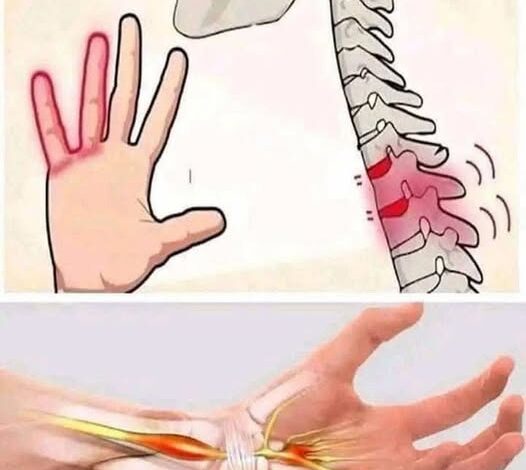
One of the best-known examples is carpal tunnel syndrome.
Inside the wrist is a narrow passageway called the carpal tunnel. Running through this space is the median nerve, which helps provide sensation to parts of the hand and controls some thumb movements.
When swelling or pressure develops within this tunnel, the median nerve becomes compressed.
The result can be numbness, tingling, burning sensations, weakness, or pain affecting the thumb, index finger, middle finger, and part of the ring finger.
Many people first notice symptoms at night.
Others notice that typing, gripping objects, using tools, or holding a phone makes the sensations worse.
Some begin dropping objects unexpectedly or struggle with tasks that once felt effortless, such as buttoning clothes, opening jars, or holding small items securely.
These symptoms are not random.
They are signals.
Your body is essentially saying that a nerve is under pressure and needs attention.
Carpal tunnel is not the only nerve-related cause.
The ulnar nerve, which travels through the elbow, can also become compressed. When this happens, numbness often affects the ring finger and little finger rather than the thumb and index finger.
Many people have experienced this sensation after hitting their “funny bone.” The uncomfortable shock occurs because the ulnar nerve is briefly irritated.
When compression becomes chronic, the tingling may become a recurring problem.
The exact location of numbness often provides important clues because different nerves serve different parts of the hand.
Sometimes the issue isn’t in the hand at all.
The nerves controlling your hands originate in the cervical spine—the neck.
They travel through the shoulders and arms before eventually reaching the fingers.
If a disc bulges, herniates, or degenerates in the neck, it can compress those nerve roots before they ever reach the hand.
In these situations, the hand becomes the messenger rather than the source of the problem.
People may experience tingling that radiates from the neck into the shoulder, arm, and fingers. Some also develop neck pain, stiffness, muscle weakness, or shooting sensations down one side of the body.
The symptom appears in the hand.
The cause begins much higher.
Internal health conditions can also have a major impact on nerve function.
One important example is vitamin B12 deficiency.
Vitamin B12 helps maintain the protective covering that surrounds nerves. Without adequate levels, nerves may become damaged or irritated.
Over time, this can lead to numbness, tingling, balance problems, weakness, fatigue, memory difficulties, and coordination issues.
Low B12 levels can develop for many reasons, including dietary deficiencies, aging, digestive disorders, medication use, and problems absorbing nutrients.
Electrolyte imbalances can also contribute.
Minerals such as sodium, potassium, magnesium, and calcium play critical roles in nerve communication and muscle function. When these minerals become too high or too low due to dehydration, illness, excessive sweating, poor nutrition, kidney disease, or medication side effects, unusual nerve sensations can develop.
Some people experience tingling.
Others experience muscle cramps, weakness, twitching, or fatigue.
Among the most significant medical causes of nerve damage is diabetes.
Persistently elevated blood sugar can damage both nerves and the small blood vessels that nourish them. This condition, known as diabetic neuropathy, often develops gradually and may initially appear as tingling, burning, numbness, or unusual sensitivity in the feet and hands.
Because nerve damage develops slowly, many people dismiss the early symptoms.
Unfortunately, the longer high blood sugar remains uncontrolled, the greater the risk of permanent nerve injury.
For some individuals, recurring numbness may be one of the earliest signs that diabetes is affecting the nervous system.
This becomes especially important when tingling is accompanied by increased thirst, frequent urination, fatigue, blurry vision, slow-healing wounds, or a strong family history of diabetes.
Autoimmune diseases can also contribute to numbness.
Conditions such as rheumatoid arthritis can create inflammation that compresses nearby nerves. Other autoimmune disorders may directly attack components of the nervous system itself.
Although less common, serious neurological conditions like Guillain-Barré syndrome can begin with tingling and rapidly progress to weakness and difficulty moving.
Blood flow problems represent another possible cause.
Nerves require a steady supply of oxygen-rich blood to function properly. When circulation becomes impaired, numbness may occur.
One example is Raynaud’s phenomenon.
This condition causes small blood vessels in the fingers and toes to narrow suddenly, often in response to cold temperatures or emotional stress.
During an episode, fingers may become pale, blue, cold, painful, or numb before circulation returns.
While many cases are relatively mild, Raynaud’s can sometimes be associated with underlying autoimmune diseases.
More serious circulation disorders can also reduce blood flow to the hands. Individuals with diabetes, smoking history, high cholesterol, high blood pressure, or vascular disease may face increased risk.
Localized problems can produce symptoms as well.
Ganglion cysts, scar tissue, injuries, swelling, and even certain tumors can press directly against nerves. Although many of these growths are noncancerous, their location can still interfere with sensation, coordination, grip strength, and normal hand function.
Infections should not be overlooked either.
Shingles can cause burning, tingling, pain, and later a characteristic rash that follows a nerve pathway. Lyme disease and certain viral infections may also affect the nervous system and create numbness or nerve-related symptoms.
The important message is not to panic every time your hand tingles.
Most brief episodes are harmless.
However, recurring symptoms should never be dismissed indefinitely.
Your body often whispers before it starts shouting.
There are certain situations where immediate medical attention becomes especially important.
Seek urgent care if numbness develops suddenly or occurs alongside facial drooping, weakness on one side of the body, slurred speech, confusion, severe headache, dizziness, loss of coordination, chest pain, difficulty walking, or sudden vision changes.
These symptoms may indicate a stroke or another medical emergency where every minute matters.
You should also contact a healthcare professional if numbness persists for days, repeatedly wakes you at night, causes weakness, spreads to other parts of the body, follows an injury, affects both hands, or interferes with daily activities.
Finding the cause often requires a thorough evaluation.
A healthcare provider may ask detailed questions about symptom patterns, perform a physical examination, order blood tests, request imaging studies, or perform nerve conduction testing to assess how well nerves are functioning.
Treatment depends entirely on the underlying cause.
Some cases improve with ergonomic changes, wrist splints, stretching, physical therapy, hydration, and correcting nutritional deficiencies.
Others may require medication, diabetes management, treatment for inflammatory conditions, injections, or surgery when nerve compression becomes severe.
The worst mistake is assuming the problem will always disappear on its own.
Your hands are among the most important tools you possess.
They allow you to work, write, cook, drive, build, create, care for others, and experience the world around you.
When they repeatedly send signals through numbness or tingling, those signals deserve respect.
Not because every case is dangerous.
But because every symptom is information.
Sometimes it is nothing more than temporary pressure on a nerve.
Sometimes it is the earliest clue that something deeper requires attention.
The sooner you listen, the more opportunities you typically have to protect your strength, sensation, mobility, and long-term neurological health.
A few moments of tingling may be harmless.
A recurring pattern may be your body’s first request for help.
And that is a message worth hearing before a small warning becomes a much bigger problem.