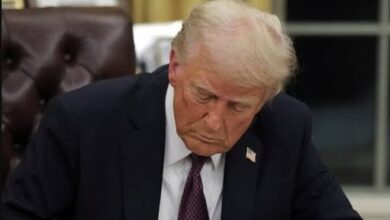
Public curiosity about Donald Trump’s health has remained high for years, largely because of his continued influence in American politics and his visibility on the world stage.
As a former president and an active political figure, Trump’s public appearances, speeches, and campaign schedule are often closely watched. Even small details—his energy level, speaking style, posture, or physical appearance—can quickly become the subject of online discussion.
But there is an important distinction between public speculation and verified medical information.
At this time, there has been no officially confirmed medical report indicating that Donald Trump is facing a serious new health condition beyond what has been publicly disclosed through routine medical statements.
Most reliable information about Trump’s health has come from physician reports and official updates released during and after his time in office. These statements have generally described him as being under routine medical supervision, with evaluations addressing areas such as cardiovascular health, weight, and overall physical condition.
Like many people of advanced age, Trump naturally receives public attention regarding his well-being. That attention is not unusual for someone who has held one of the most demanding jobs in the world and remains active in political life.
However, public interest does not automatically equal medical evidence.
In today’s media environment, health rumors about public figures can spread quickly, especially on social media. A single photograph, short video clip, or public appearance can generate widespread commentary, even when no medical professional has confirmed any concern.
That is why caution is essential.
Observations about a person’s voice, movement, or appearance are not the same as a diagnosis. Without official confirmation from licensed medical professionals or authorized medical statements, claims about a serious health issue remain speculative.
During Trump’s presidency, official physician statements did not identify any life-threatening or severe medical condition. These reports described regular evaluations and routine monitoring, which are standard for presidents and other high-ranking public officials.
Medical transparency for political leaders is usually handled through formal channels. Physician summaries and authorized statements are intended to provide the public with accurate information while avoiding unsupported rumors or unnecessary speculation.
This matters because health discussions involving political figures can easily become politically charged. Supporters and critics may interpret the same information differently, often through the lens of their existing opinions.
For that reason, responsible reporting should focus on confirmed facts.
As of now, there are no official announcements indicating a sudden deterioration, critical illness, or undisclosed serious medical crisis involving Donald Trump. Publicly available information continues to show that he remains active in public events, interviews, and political activities.
That said, public appearances alone are not a substitute for medical evaluations. A demanding schedule may suggest continued activity, but only qualified physicians can provide reliable assessments of a person’s health.
Aging naturally brings increased medical monitoring for everyone, including public figures. Routine screenings, doctor visits, and health evaluations are normal and do not necessarily indicate a serious problem.
The key is to separate normal medical attention from unverified claims.
When evaluating reports about Trump’s health—or the health of any prominent public figure—readers should look for official statements, credible medical documentation, and reputable reporting. Anonymous claims, social media speculation, and politically motivated commentary should be treated with caution.
The public has a legitimate interest in the health of leaders and major political figures, especially when they hold or seek positions of significant responsibility. But that interest must be balanced with accuracy, fairness, and respect for verified information.
At present, the available public record does not support claims of a new or serious undisclosed health crisis involving Donald Trump.
If future medical updates are released, they would be expected to come through official channels such as physician statements, campaign communications, or authorized public disclosures.
Until then, the most responsible conclusion is straightforward: while interest in Donald Trump’s health remains high because of his age, political influence, and public visibility, verified information does not currently indicate any major new health concern.
In a media landscape where rumors move quickly, the safest approach is to rely on documented facts rather than assumptions.