For years, people have argued over whether potatoes or rice are the healthier choice. Nutrition experts say the real answer depends on when you eat them

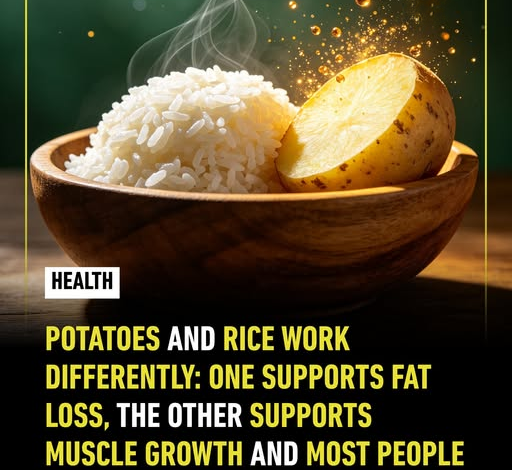
Few foods have sparked as much debate in the world of nutrition as potatoes and white rice. One group insists potatoes are the healthier option because they’re packed with vitamins and minerals, while another argues that rice is the superior choice for athletes and active individuals. For years, people have searched for a simple winner, hoping one food could be labeled “good” and the other “bad.”
Modern nutrition research tells a much different story.
Rather than competing against one another, potatoes and white rice each offer unique nutritional advantages. Their greatest strengths become apparent when they’re matched to your body’s needs. Instead of asking which carbohydrate is healthier overall, a better question is: Which one is the better choice for what your body is about to do?
Carbohydrates often receive mixed attention in popular diets, but they remain the body’s preferred source of energy. Every movement you make—from walking and working to exercising and thinking—depends on glucose produced from carbohydrates. The difference lies in how quickly that energy becomes available and how the body uses it afterward.
This is where potatoes and rice begin to separate.
Potatoes are naturally rich in several nutrients that support overall health. They contain fiber, potassium, vitamin C, vitamin B6, and a unique form of carbohydrate known as resistant starch, particularly after they’ve been cooked and allowed to cool before being reheated or eaten cold.
Fiber plays an essential role in slowing digestion. Instead of allowing carbohydrates to enter the bloodstream rapidly, fiber helps create a steadier release of glucose. This slower digestion often leads to a more gradual rise in blood sugar and insulin compared with highly refined carbohydrate sources, especially when potatoes are eaten with their skin and as part of a balanced meal containing protein and healthy fats.
One of the biggest advantages of potatoes is satiety.
Because of their water content, fiber, and overall volume, potatoes tend to keep people feeling full for longer periods. Numerous studies examining fullness after meals have found that boiled potatoes are among the most satisfying foods available. Feeling satisfied for longer can naturally reduce unnecessary snacking and make it easier for some individuals to manage their overall calorie intake.
Potatoes also provide an impressive amount of potassium—an essential mineral involved in muscle contractions, nerve signaling, fluid balance, and maintaining healthy blood pressure. In fact, many people are surprised to learn that potatoes provide more potassium than bananas on a comparable serving basis.
Another valuable component is resistant starch. Unlike ordinary starch, resistant starch escapes digestion in the small intestine and reaches the colon, where beneficial gut bacteria ferment it. This process produces short-chain fatty acids that help nourish the cells lining the colon and support a healthy digestive environment. Resistant starch has also been studied for its potential role in supporting insulin sensitivity and metabolic health.
Because potatoes digest more gradually and promote prolonged fullness, they can be an excellent carbohydrate choice during periods of lower physical activity, on rest days, or earlier in the day when steady, long-lasting energy is desired.
White rice serves a different purpose.
Unlike potatoes, white rice contains relatively little fiber because the bran and germ have been removed during processing. As a result, it digests much more quickly, allowing glucose to enter the bloodstream at a faster rate.
At first glance, this may sound like a disadvantage, but in certain situations it becomes a significant benefit.
After intense exercise, the body’s muscles have depleted much of their stored glycogen—the form in which carbohydrates are stored for future energy. Replenishing these glycogen stores becomes an important part of recovery, especially for athletes or individuals who train frequently.
Because white rice is rapidly digested, it delivers glucose efficiently, allowing muscles to begin replacing glycogen soon after physical activity. This makes it a practical post-workout food when paired with a quality source of protein, which provides the amino acids needed for muscle repair and growth.
The moderate insulin response triggered by white rice also plays a role in recovery. Insulin helps move glucose and amino acids into muscle cells, supporting both glycogen restoration and tissue repair following exercise. For this reason, many sports nutrition plans include white rice as one of the preferred carbohydrate sources after training sessions.
This doesn’t mean white rice is only suitable for athletes. It remains an excellent staple food enjoyed by billions of people worldwide and can fit comfortably into a balanced diet. The key lies in portion size, overall dietary quality, and matching carbohydrate intake to energy demands.
The timing of carbohydrate consumption is often overlooked, yet it can influence how efficiently the body uses those nutrients.
On days involving little physical activity, slower-digesting carbohydrate sources such as potatoes may help provide sustained energy while promoting fullness between meals. During periods of intense training or immediately after exercise, faster-digesting foods such as white rice can support recovery by quickly replenishing depleted energy stores.
Preparation methods also matter.
Deep-fried potatoes loaded with butter, cheese, or excessive salt offer a very different nutritional profile than boiled, baked, or roasted potatoes prepared with minimal added fat. Likewise, white rice served alongside vegetables, lean protein, and healthy fats creates a much more balanced meal than rice paired primarily with highly processed foods.
It’s also worth remembering that neither potatoes nor rice should be judged in isolation. Overall dietary patterns matter far more than any single ingredient. A meal that combines quality carbohydrates with vegetables, lean proteins, legumes, healthy fats, and adequate hydration will almost always outperform one focused on carbohydrates alone.
Individual needs vary as well. Someone training for endurance events, building muscle, managing body weight, or controlling blood sugar may require different carbohydrate strategies depending on their health goals, activity level, and medical history. There is no universal solution that works equally well for everyone.
The debate between potatoes and rice has lasted for years, but modern nutrition offers a far more practical perspective. Both foods provide valuable nutrition when used appropriately. Potatoes supply fiber, potassium, resistant starch, and long-lasting satiety that support steady energy and overall metabolic health. White rice offers quickly available carbohydrates that efficiently restore muscle glycogen and promote recovery after physical activity.
Rather than choosing one and avoiding the other, understanding when each food performs best allows you to take advantage of both. Matching your carbohydrate source to your daily activity level transforms an old nutritional debate into a smarter approach to fueling your body—one that supports energy, recovery, and long-term health without forcing you to give up either of these nutritious staples.